Understanding Sensory Processing & Autism
An online learning series
Stream all webinars for 30 days
Stream all webinars for 30 days
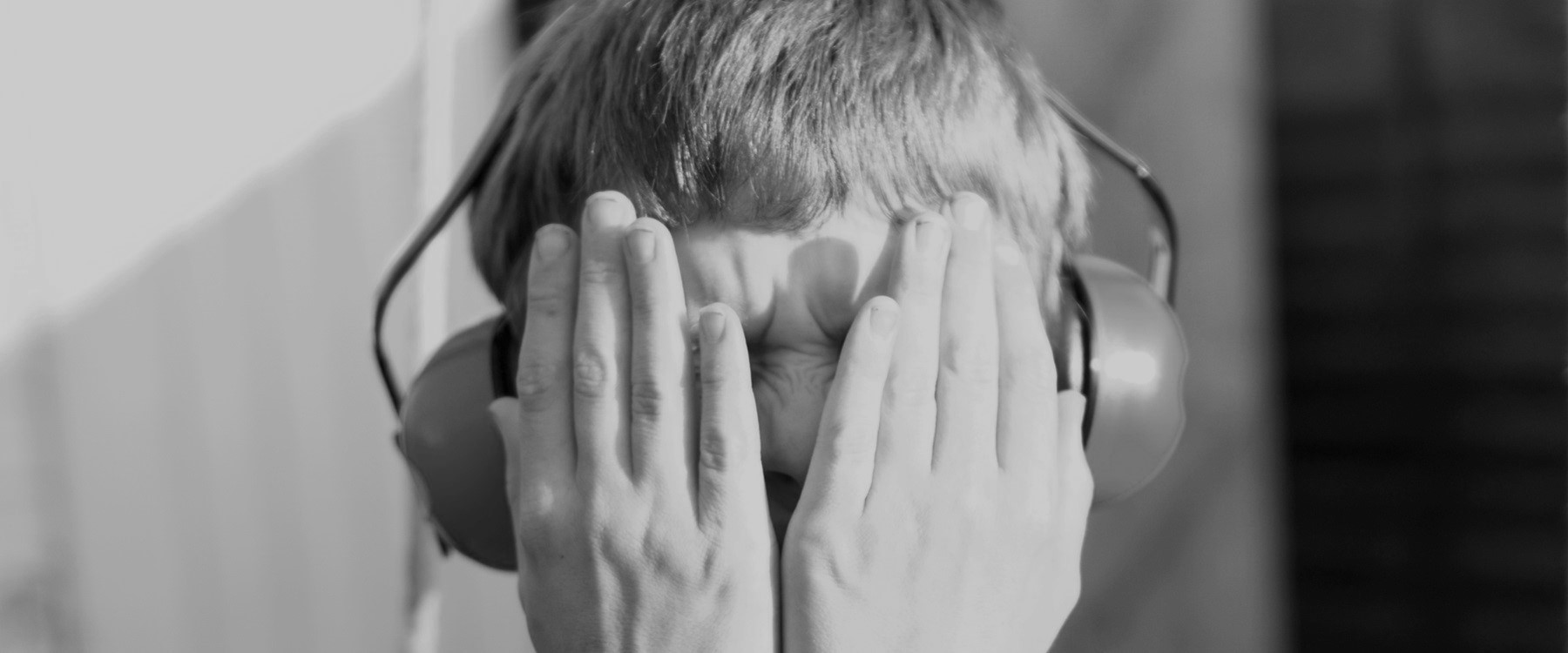
Processing everyday sensory information can be difficult for autistic children and adults. Any of their senses may be over or under sensitive (or both) at different times. These sensory differences can have a profound impact on behaviour, development and learning.
In this online learning series, our team of leading autism specialists will provide you with an in-depth understanding of sensory processing and autism, and offer practical strategies to help you effectively support an autistic person at home, in the classroom, and in the workplace.
Learnings include:
All content is CPD certified and a CPD Certificate of Attendance is available upon request.
| Time | Title | Speaker |
|---|---|---|
| 1.1 | Understanding our senses and what they do for us | Alison Neal, Consultant Occupational Therapist at Midlands Occupational Therapy |
| 1.2 | Understanding the tactile, proprioceptive and vestibular systems | Jignasha Button, Highly Specialist Occupational Therapist at Wider Ambition |
| 1.3 | Sensory solutions in the classroom for autistic students | Amanda Hind, Autism and SEND Consultant |
| 1.4 | Interoception: the hidden sense that shapes wellbeing | Alison Neal, Consultant Occupational Therapist at Midlands Occupational Therapy |
| 1.5 | The sensory challenges of puberty | Laura Hellfeld, Neurodivergent Nurse Consulting, Independent Nurse and Sleep Consultant |
| 1.6 | Music therapy for autistic individuals | Leanne O’Keeffe, Music Therapist and PhD Researcher |
Alison Neal is the Director of Midlands Occupational Therapy and provides specialist occupational therapy services for children and young adults with a range of difficulties.
Alison is an advanced practitioner in sensory integration therapy; she has several years experience of providing post graduate training to other therapists on this subject and has co-authored a book on sensory movement breaks.
Alison works with families, children and young people at home and in a variety of mainstream or special schools and colleges to find solutions to everyday problems that actually work and can be implemented at home or school. She can also offer assessments for EHC plans and tribunals where necessary.
Jignasha Button is a specialist occupational therapist with many years of experience working with children and young people with sensory processing differences and autism, as well as a broad range of other conditions. She has worked in a range of settings including family homes, clinics, mainstream and special schools, colleges and within the wider community.
Jignasha is passionate about maximising each child or young person’s functional abilities and strongly believes in empowering and upskilling families and other professionals working with them.
Jignasha holds a PG Cert. in sensory integration. She currently provides specialist occupational therapy within special schools, working as an associate for Midlands Occupational Therapy.
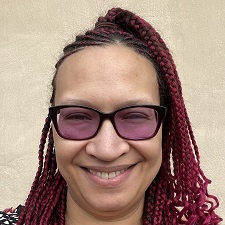
Amanda Hind has a unique perspective of autism as she is autistic (diagnosed as an adult), her children (young adults) are autistic, she has specialised in teaching autistic children, and she is an autism researcher.
She is a highly experienced teacher; and has taught in mainstream primary and secondary schools, special schools, and alternative provisions. She is also a qualified SENCo, and was a SENCo in a mainstream secondary school. Although no longer school-based, Amanda still enjoys working with children and young people, and specialises in SEN tutoring for children of all ages, and mentoring for neurodivergent adults, young adults, and teenagers. She is also a study skills tutor for autistic/ND university students receiving DSA.
Amanda is an experienced autism speaker, trainer and consultant, having travelled across the country to deliver talks and training sessions on a wide variety of topics to a range of attendees, including parents and professionals from education, health and the care sector.
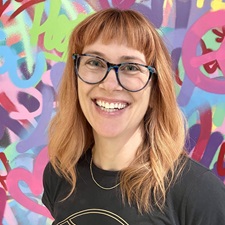
Laura Hellfeld is an AuDHD (Autistic, ADHD) health care professional, consultant and advocate. Their education includes a Masters in Nursing (RN, MSN), licensure in Public Health Nursing (PHN) and certification as a Sleep Consultant. They work as an independent Nurse Consultant to support the neurodivergent community and educate other care professionals to understand their unique support needs.
Laura specializes in PDA, distress behaviours and self-care like eating and sleep. They are also Associate Editor of the upcoming magazine publication, Autistic Revolution.
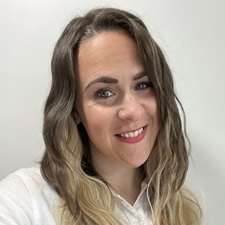
Leanne O’Keeffe decided that she wanted to become a music therapist at the age of 15. She studied for her first degree at The University of Birmingham, later completing an MA in Music Therapy at ARU in 2013.
Leanne joined a local music therapy charity a term before qualification and has had a broad career to date, working with children of all ages and abilities in a wide range of clinical settings.
Her clinical expertise involves respite, outreach, end of life and family work in children’s hospices and employment in special needs schools, focusing specifically on autism (ASD) and social, emotional and mental health (SEMH). Leanne has also worked in an inner-city mainstream primary setting providing crisis intervention and mental health support.
In addition to her work as a music therapist, Leanne is a BAMT approved Supervisor and Visiting Lecturer in Music Therapy at The University of Birmingham.
In 2022 Leanne began studying for a PhD at ARU’s Cambridge Institute for Music Therapy Research. This PhD is being funded by Dravet Syndrome UK and it explores the impact of music therapy on quality of life for children with this rare neurological disorder.
Within 24 hours of your booking, you will receive an email containing personal login details to stream all of the recorded webinars and view the available presentation slides for a 30 day period.
If you don’t receive your login details, please check your spam/junk folder in case it was diverted there. Otherwise for any difficulties accessing the webinars, please contact us at info@autismlearns.co.uk.
| Streaming Cost | £84.99 |
| Time | Title | Speaker |
|---|---|---|
| 2.1 | Sensory ladders for self-regulation | Kath Smith, Director at ASI Wise |
| 2.2 | Autism, sensory processing and eating disorders | Rachael Thompson, Director and Head of Therapy at Cairn Education, Director Our Sensory Worlds |
| 2.3 | Understanding sensory trauma and its longer term impact on the sensory experience | Emma Reardon, Director of Autism Wellbeing and Dr Rorie Fulton, Founding Director of Autism Wellbeing |
| 2.4 | Considering sensory rooms and spaces for autistic people | Joanna Grace, Doctoral Researcher and Founder of The Sensory Projects |
| 2.5 | Living with visual and auditory sensory perception differences | Paul Isaacs, Autism Speaker, Trainer and Consultant |
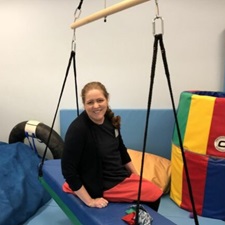
Kath Smith’s postgraduate education in Ayres’ Sensory Integration started in the early 1990’s while she was working in a CAMHS setting in South Africa, including with young people with trauma and in secure accommodation. On moving to the UK, Kath’s passion about ASI informed the innovation of services and products to support clients across the lifespan with sensory integration challenges; including assessment tools, parenting skills card, care pathways and intervention resources.
Building on her experience using SI within learning disability services, Kath combined DBT and Sensory Integration creating practical solutions for use in acute mental health. In 2002, her development and application of Sensory Ladders to support clients with trauma was visionary. As a 2005 Medical Futures Award finalist, Kath established The Sensory Project to promote ASI across the lifespan; with creation of the Parenting Through the Senses programme. Her All About Me sensory formulations to promote self regulation in mental health; with reduced inpatient admissions, use of restraint alongside improved participation in everyday life.
“In recognition of her clinical ability, innovative spirit and passion to develop Sensory Integration approaches for mental health settings”, in 2007 she was awarded “Occupational Therapist of the Year” by the British Association of Occupational Therapy/College of Occupational Therapists.
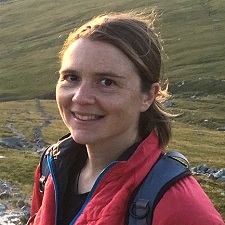
Rachael Thompson, BSc, PGCE with QTS, PGCert Sensory Integration, and MSc Occupational Therapy, is Head of Therapy at Cairn Education. Rachael has worked at independent specialist colleges for over 10 years in roles including Tutor, Occupational Therapist, Head of Education and Vice Principal.
As an autistic individual and Occupational Therapist, Rachael utilises personal and professional experience alongside the latest research to explore sensory processing differences and specifically how sensory processing differences can impact health, well-being and quality of life.
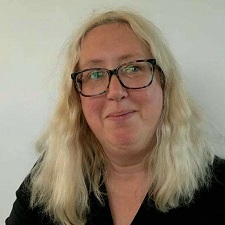
Emma Reardon is a director of Autism Wellbeing CIC – a small, neurodiverse team of professionals and clinicians united by a desire to find ways for autistic and non-autistic people to collaborate equitably and successfully. Her professional career spans 25 years within social care as a support worker, registered service manager, and in service development and commissioner relationships.
Emma has qualifications in community mental health, management, and counselling, and holds a MA in Professional Practice. Her current PhD research is about perceptions of autism held by Community Mental Health Teams.
Most recently, Autism Wellbeing’s Sensory Trauma course was undertaken by Integrated Autism Service clinicians in Wales. Emma is passionate about mixing her professional and lived experience of autism in her guest lectures, presentations and workshops to create spaces where people have opportunities to share, connect, and find common ground. She can also offer environmental sensory assessments of workplaces, schools, care services, and workplace mentoring.
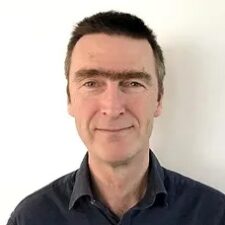
Dr Rorie Fulton is Founding Director of Autism Wellbeing – a small, neurodiverse team of professionals and clinicians united by a desire to find ways for autistic and non-autistic people to collaborate equitably and successfully.
Rorie has a background in education, academic research and mental health advocacy. He has written or co-written (with Kate Richardson) a number of papers and learning resources on subjects including autism, effective communication, learning disabilities and advocacy. Rorie has completed training in Interoceptive Awareness, Attachment, Sensory Attachment Intervention and The Just Right State programme.
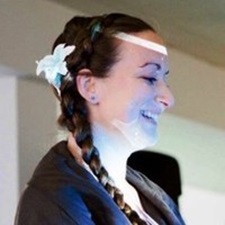
Joanna Grace is an international sensory engagement and inclusion specialist, doctoral researcher, trainer, author, TEDx speaker and founder of The Sensory Projects. The Sensory Projects’ online college has a range of study on demand courses, focused on sensory engagement and supporting people with profound disabilities
Joanna is a qualified teacher who has taught in mainstream and special schools, connecting with pupils of all ages and abilities. Joanna has also worked in a consultancy capacity to support schools to further their provision for children with additional learning needs.
Since setting up The Sensory Projects Joanna’s work has expanded, and she regularly works with adult care providers, heritage settings and families. Joanna draws on experience from her own life, as well as insight from the research world and her professional background, to inform her work. Joanna has family members with physical disabilities and neurodiverse conditions and has also been a foster carer for children with complex disabilities.
Joanna is autistic and is able to take in huge amounts of information. She uses this ability to focus on the sensory world to inform her work. Joanna is currently studying for a doctorate in Identity and Belonging for People with Profound and Multiple Learning Disabilities.

Paul Isaacs is an autistic trainer, speaker, consultant and blogger. He has co-authored several books including Life through a Kaleidoscope and Living through the Haze.
Paul was branded as a “naughty & difficult child” at school. He was classically autistic and non-verbal due to speech articulation difficulties. He had complex sensory issues and appeared both deaf and blind. He gained functional speech around the age of 7 or 8 years old.
Paul went through the mainstream school system with no additional help or recognition of his autism. Consequently, he did not achieve his academic or his social potential and had very low self-esteem.
At age 11, Paul was referred to the children’s mental health service with childhood depression where he was regarded as “developmentally underage” and having speech problems.
A local autism organisation put Paul in touch with an experienced psychiatrist, who diagnosed him with autism at 24 years old. Amongst other conditions, Paul also has dyslexia, dyscalculia and also a dissociative disorder.
Within 24 hours of your booking, you will receive an email containing personal login details to stream all of the recorded webinars and view the available presentation slides for a 30 day period.
If you don’t receive your login details, please check your spam/junk folder in case it was diverted there. Otherwise for any difficulties accessing the webinars, please contact us at info@autismlearns.co.uk.
| Streaming Cost | £84.99 |