Supporting Autistic Girls
An online learning series
Stream all webinars for 30 days

Stream all webinars for 30 days
This online learning series will look at how we can better identify and provide support for our autistic girls. We’ll discuss how the school environment and curriculum can be adapted to make it more accessible, looking at simple and practical changes which can make a big difference. We’ll also explore the common challenges that autistic girls face, including making friends and dealing with anxiety, and address how best to prepare for the approach of adulthood.
Learnings include:
All content is CPD certified and a CPD Certificate of Attendance is available upon request.
| Session | Title | Speaker |
|---|---|---|
| 1.1 | Autism in girls: barriers to diagnosis | Sarah Hendrickx, Autism Assessor, Autistic Trainer and Consultant at Hendrickx Associates |
| 1.2 | Identifying key issues for autistic girls at school and providing practical school-based support strategies | Sharonne Horlock, Former SENCO at Impington Village College |
| 1.3 | Mental health issues in autistic girls and young women: diagnosis, intervention and family support - Depression - Anxiety - Self-harm - Eating disorders - Gender uncertainty - Psychotic episodes | Dr Judy Eaton, Clinical Director and Consultant Clinical Psychologist at Help4Psychology, and Research Associate at Kings College, London |
| 1.4 | Working with autistic girls who are struggling to engage with or reluctant to discuss support strategies | Sue Granger, Autism Advisor at West Berkshire Council & Autism Support Specialist at Owl Therapy Centre |
| 1.5 | Supporting autistic girls and young women to develop meaningful friendships | Siena Castellon, Neurodiversity Advocate, Author, and Founder of Neurodiversity Celebration Week |
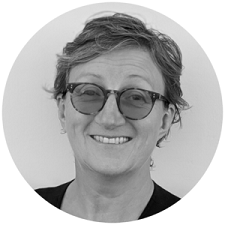
Sarah Hendrickx is Autism Assessor at Hendricksx Associates, where as an autistic adult herself, provides adult non-clinical autism assessments via Skype/Zoom. She is highly experienced in the assessment of autistic females and those with co-morbid profiles of Autism/ADHD. Sarah has carried out more than 1,000 assessments over the last 10 years.
Sarah has been trained and clinically supervised by Dr Linda Buchan at Axia-ASD, diagnosing both NHS and private clients. She has a Postgraduate Certificate in Asperger syndrome and an MA in autism.
Sarah has written six books on autism – employment, sex and relationships, alcoholism, girls and women on the autism spectrum and also on the adult neuro-diversity spectrum. She has been involved in the development of training materials for the Dept of Education funded AET National Autism Training Programme and also spent three years working for the Ministry of Defence supporting autistic employees in science and technology.
Sarah has spoken openly about her wide and varied life experiences in her talks as an autism speaker, including more than 30 failed jobs, life-long mental health difficulties and numerous disastrous relationships – all of which she shares with humour and brutal honesty. Sarah’s partner, daughter, son and various other members of her family also have autism diagnoses.
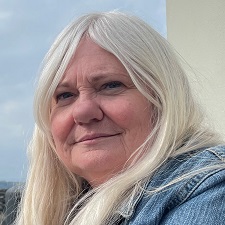
Sharonne Horlock is a former SENCo with significant experience in mainstream schools, specialist provision and a member of the Autism and Girls Forum. When asked, “Why education?”, the answer has remained resolute: “To make a difference”. Sharonne is currently researching the lived experiences of autistic girls in secondary schools for her PhD.
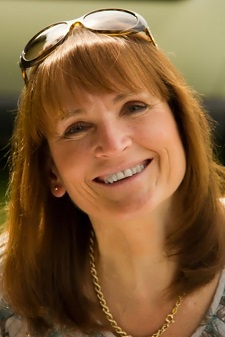
Dr Judy Eaton is a clinical psychologist with a special interest in autism and other neurodevelopmental conditions in both children and adults. She is also Research Associate at Kings College, London and has recently published three peer reviewed papers looking specifically at the Pathological Demand Avoidance profile in children.
Judy currently works independently and manages a large team of clinicians, including Clinical and Educational Psychologists, Speech and Language, and Occupational Therapists. Judy and her team are regularly commissioned by NHS commissioners to carry out assessments on highly complex young people.
Prior to setting up her own independent practice, Judy worked as the lead clinician for a NHS CAMHS team, helping to set up one of the first truly multi-disciplinary autism diagnostic teams. Subsequently she worked in secure in-patient services within both adult and Child and Adolescent Mental Health services.
Whilst working in in-patient services, Judy became aware of the number of young people in crisis, many of whom were girls and young women, most of whom were undiagnosed. She subsequently wrote a book entitled “A Guide to Mental Health Issues in Girls and Young Women on the Autism Spectrum: Diagnosis, Intervention and Family Support” which was published by Jessica Kingsley Publications.
More recently, Judy has become increasingly interested in the PDA profile and, despite the controversies surrounding it, remains convinced that PDA is “something”. She enjoys the challenge of working with other clinicians, parents and individuals who identify with this profile, and those involved in research, to try and better understand what this “something” is.
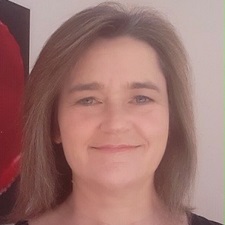
Sue Granger is Autism Advisor at West Berkshire Council, and Autism Support Specialist at Owl Therapy Centre.
Sue is an experienced trainer with extensive experience working with autistic children and adults in a variety of settings, including mainstream and special needs schools. She has a strong educational background in cognitive science and special educational needs to doctorate level and is highly experienced in working alongside school leadership teams, in multi-disciplinary teams and with parents and carers. Sue has a special interest in supporting mental health and wellbeing, particularly in autistic girls.
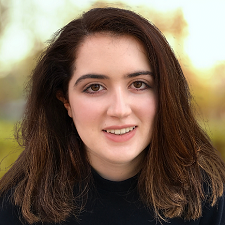
Siena Castellon is an autistic neurodiversity advocate who was diagnosed with autism when she was twelve.
Siena tells us that her diagnosis came as a welcome relief. After years of being rejected by her classmates for being odd, eccentric and weird and always feeling out of place, she finally had an explanation. That is not to say that it didn’t come as a surprise. As can be the case, she and her family had a stereotypical view of autism. When they thought of autism, they envisioned distressed young boys rocking back and forth; boys who were obsessed with memorising train schedules or license plate numbers. It was only when Siena started delving deeper that she learned that girls can be autistic too and that they behave very differently, which is why so many continue to fly under the radar. It wasn’t long before she discovered that there were few books and resources aimed at autistic girls. Most of the books and survival guides were written for autistic boys and didn’t address many of the issues she faced as a teen autistic girl. So she decided to write her own book: The Spectrum Girl’s Survival Guide: How to Grow Up Awesome and Autistic.
Within 24 hours of your booking, you will receive an email containing personal login details to stream all of the recorded webinars and view the available presentation slides for a 30 day period.
If you don’t receive your login details, or have any difficulty accessing the webinars, please contact us at info@autismlearns.co.uk.
| Streaming Cost | £84.99 |
| Session | Title | Speaker |
|---|---|---|
| 2.1 | Common misdiagnoses and challenges accessing mental health support | Emma Reardon, Director of Autism Wellbeing |
| 2.2 | Preparing autistic girls for puberty | Kate E Reynolds, Author, Public Speaker, Consultant and PhD Researcher |
| 2.3 | Autistic women in the workplace | Jess Hendrickx, Autistic Trainer and Consultant at Hendrickx Associates |
| 2.4 | Masking and camouflaging in autistic girls and women | Dr Felicity Sedgewick, Lecturer in Psychology of Education in the School of Education at the University of Bristol |
| 2.5 | How to support and champion our autistic daughters, sisters, partners and friends | Amanda Hind, SENCo, Autism Speaker and Consultant |
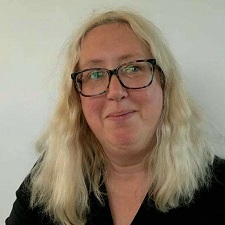
Emma Reardon is a director of Autism Wellbeing CIC – a small, neurodiverse team of professionals and clinicians united by a desire to find ways for autistic and non-autistic people to collaborate equitably and successfully. Her professional career spans 25 years within social care as a support worker, registered service manager, and in service development and commissioner relationships.
Emma has qualifications in community mental health, management, and counselling, and holds a MA in Professional Practice. Her current PhD research is about perceptions of autism held by Community Mental Health Teams.
Emma has written and delivered training throughout her career and has an engaging presentation style that challenges and encourages participants to see the world through other people’s perspectives. Most recently, Autism Wellbeing’s Sensory Trauma course was undertaken by Integrated Autism Service clinicians in Wales. Emma is passionate about mixing her professional and lived experience of autism in her guest lectures, presentations and workshops to create spaces where people have opportunities to share, connect, and find common ground. She can also offer environmental sensory assessments of workplaces, schools, care services, and workplace mentoring.
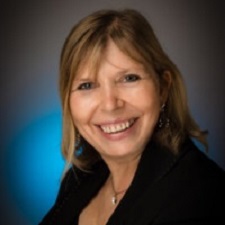
Kate E Reynolds is mother to two young people on the autism spectrum, one who was epileptic and one has learning/intellectual disabilities. She worked for the UK’s National Health Service for 18 years, largely in HIV and sexual health. Kate has written numerous articles and 15 books, most published by Jessica Kingsley Publishers about aspects of relationships, sexuality, autism, female autism and learning/intellectual disability. She runs workshops for parents and works closely with professionals, as a trainer, consultant and researcher.
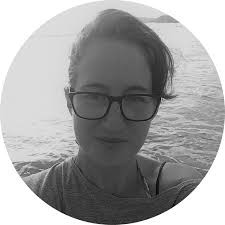
Jess Hendrickx is an autism mentor and owner of Hendrickx Associates. Jess supports autistic people to build self-awareness, identify their goals, and, together with her, take small, manageable steps towards them. She has had great success helping autistic individuals gain control of their lives. Jess has experience of helping late diagnosed autistic adults come to terms with their diagnosis, focusing on their concerns and mentoring them to be able to accept themselves for who they are. She can also educate non-autistic family members on what a diagnosis of autism can mean for their relatives and provide more information on what being autistic is really like.
Jess has a clinical diagnosis of autism and dyslexia. She has two children, so understands how being autistic can affect pregnancy and motherhood, in both a positive and negative way. She is the daughter of another of our speakers, Sarah Hendrickx (www.asperger-training.com), and therefore understands the experience of having an autistic parent.
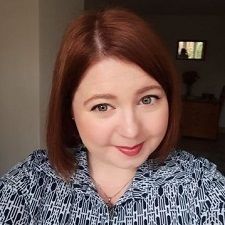
Dr Felicity Sedgewick is a developmental and social psychologist, and lectures on Psychology of Education at the University of Bristol. Her research focusses on the social lives and mental health of autistic people of all genders, through a variety of research methods. Her work is participatory and aims to reflect the priorities of the autistic community and making sure that it has impact in the real-world is one of her key priorities.
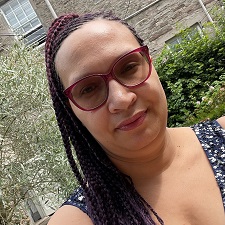
Amanda Hind has a unique perspective of autism: her children (young adults) are both autistic, she is autistic herself, and she specialises in teaching autistic children.
Amanda has taught in mainstream primary and secondary schools, special schools, and alternative provisions. She is currently a SENCo in a mainstream secondary school in East London, and is passionate about high-quality support and education for autistic people.
Within 24 hours of your booking, you will receive an email containing personal login details to stream all of the recorded webinars and view the available presentation slides for a 30 day period.
If you don’t receive your login details, or have any difficulty accessing the webinars, please contact us at info@autismlearns.co.uk.
| Streaming Cost | £84.99 |