Managing Anxiety & Mental Health
An online learning series
Stream all webinars for 30 days

Stream all webinars for 30 days
While around 25% of the general population will experience mental health issues at some point in their lives, studies have shown that autistic people are three times more likely to be affected, with anxiety, stress, and depression commonplace.
Growing up is hard enough if you’re neurotypical but for autistic children, the school years, adolescence and the transition into adulthood is a particularly vulnerable time. Their communication and social interaction difficulties, can both contribute to, and cloak, a decline in mental health. They may develop fewer coping skills than other children and are more likely to be met with negativity throughout their lives, such as bullying, stigma and discrimination.
This online learning series will provide you with the practical skills and knowledge to maintain good mental health in autistic children and young adults. You’ll learn how to unravel the causes of anxiety, how to spot the warning signs of delicate or declining mental health, and what you can do to help.
Learnings include:
All content is CPD certified and a CPD Certificate of Attendance is available upon request.
| Session | Title | Speaker |
|---|---|---|
| 1.1 | It’s not just the autism! Understanding mental health issues in autistic young people | Dr Michelle O’Reilly, Associate Professor of Communication in Mental Health at the University of Leicester |
| 1.2 | Managing stress for a better quality of life | Maja Toudal, Autistic psychologist, speaker, and author |
| 1.3 | Avoiding anxiety in autistic children – a conversation | Dr Luke Beardon, Senior Lecturer in Autism at The Autism Centre, Sheffield Hallam University and Dr Stephen Connolly, Lecturer in Autism and Education at The Autism Centre, Sheffield Hallam University |
| 1.4 | Understanding depression and what therapies can help autistic children and young adults | Dr Ann Ozsivadjian, Independent Clinical Psychologist specialising in Autism |
| 1.5 | Autism and epilepsy | Dr David Cox, Consultant Neuropsychiatrist at Cornwall Partnership NHS Foundation Trust |
| 1.6 | Autism and ADHD | Colin Foley, National Director of Training at the ADHD Foundation |
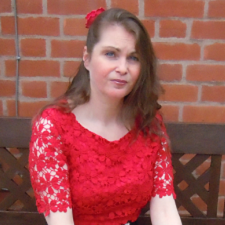
Professor Michelle O’Reilly (BSc [hons], MSc, MA, PhD, PGCAPHE) is an Associate Professor of Communication in Mental Health at the University of Leicester and a Research Consultant for Leicestershire Partnership NHS Trust. Michelle is also a Chartered Psychologist in Health. Michelle has specific interest in child and adolescent mental health. Michelle has made several media contributions about her research on social media and mental health funded by the Wellcome Trust. Michelle also undertakes research in self-harm and suicidal behaviour, neurodevelopmental conditions, and child mental health services, such as mental health assessments and family therapy.
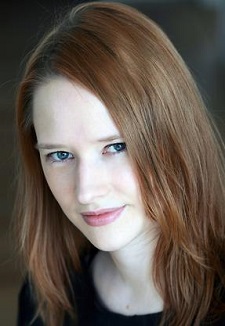
Maja Toudal was diagnosed with Asperger syndrome in 2003 and has worked in autism communication for more than a decade, primarily as a speaker at conferences, parent groups and local networking groups for people with Autism Spectrum Conditions.
She has written articles and blogs regarding her experience living with Asperger’s. Maja has worked closely with autism experts Dr Tony Attwood and Kirsten Callesen for many years, gaining clinical experience and helping to run social groups for teenage girls with ASD.
Maja is currently studying psychology at the University of Copenhagen, while continuing her work in autism communication.
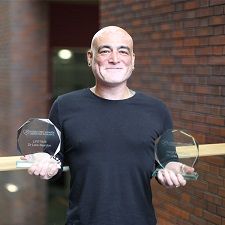
In his post as Senior Lecturer in autism, Dr Luke Beardon runs various courses at different academic levels in autism, including a Masters qualification, while continuing to research and consult in the field of autism. He is the course leader for the Postgraduate Certificate in Asperger Syndrome, run in collaboration with the National Autistic Society, and supervises students at Doctoral level. In 2011 he was nominated for and subsequently awarded the Inspirational Teacher Award as voted by students. In 2012 Luke was nominated for and subsequently awarded the Inspirational Research Supervisor Award as voted by students.
Luke has been part of a research team at Nottingham University running a three year project, and has several publications in national and international journals related to the project. He completed his doctoral thesis at Sheffield Hallam University which was titled: Asperger Syndrome and Perceived Offending Conduct: A Qualitative Study.
He co-wrote the ASPECT consultancy report, the largest consultation with adults with AS undertaken at the time. He is co-editor of three books on Asperger syndrome published by Jessica Kingsley, and has various other publications in journals.

Dr Stephen Connolly’s interest in autism and HE began while navigating university life as an autistic student studying Physical Education at Leeds Met. The challenges and successes he experienced, sparked an interest into how other autistic students experience HE.
Moving to Sheffield Hallam to gain his MA Autism Spectrum degree has led to a career researching autism and HE.
Stephen’s work is heavily influenced by the “Actually Autistic” movement and Emancipatory and Participatory movements. He strives for accessible involvement in the full research process and firmly believes that autistic people should be the main stakeholders in autism research.
Stephen’s PhD research is titled “Inclusion of students that identify as autistic in Higher Education”.
He is a member of the Sheffield Hallam Autism Research Partnership, SHU Disability Research Forum and the Equality and Social Justice Research Group.

Dr Ann Ozsivadjian is a Principal Clinical Psychologist with extensive post qualification experience in a specialist complex neurodevelopmental disorders team. Her particular research interests and clinical specialism are mental health problems in ASD and adapting interventions for young people on the autism spectrum, and she regularly presents at conferences on these topics.
Ann also provides training courses across the UK on the assessment and treatment of mental health problems in autism spectrum disorders, and recently, in collaboration with her colleague Marianna Murin, set up the first Improving Access to Psychological Therapies (CYP-IAPT) module for young people with autism and intellectual disability. She has published a number of papers and co-authored books. She is also an active peer reviewer for a number of journals.
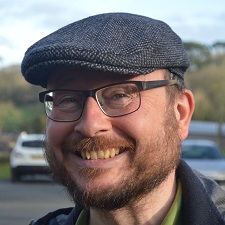
Dr David Cox grew up in Cheshire and trained in medicine and physiology in Cardiff. He trained in psychiatry in South Wales, where he worked with Dr Mike Kerr and Professor Bill Fraser in learning disability and brain injury.
David was appointed as a consultant in addiction psychiatry, in Cornwell, in 2002. A career change to learning disability psychiatry followed a decade ago, with his areas of interest and research including epilepsy and SUDEP, autism and reducing psychotropic prescribing through multi-disciplinary working.
David has been running epilepsy clinics for adults in Cornwall with learning disability for a decade and received a BMJ award for epilepsy safety education in 2019.
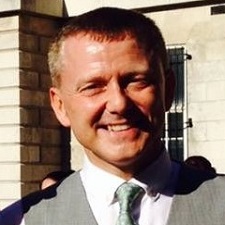
Colin Foley is the training director of the ADHD Foundation, the largest ADHD charity in Europe. After twenty-five years as a secondary teacher and senior leader, Colin’s work for the ADHD Foundation is grounded in empowering teachers to deliver outstanding outcomes for children and young people with ADHD through increased awareness of the condition and through practical classroom strategies that every teacher can use at all key stages.
Within 24 hours of your booking, you will receive an email containing personal login details to stream all of the recorded webinars and view the available presentation slides for a 30 day period.
If you don’t receive your login details, or have any difficulty accessing the webinars, please contact us at info@autismlearns.co.uk.
| Streaming Cost | £84.99 |
| Session | Title | Speaker |
|---|---|---|
| 2.1 | Building resilience and promoting good mental health – an insider’s perspective | Yenn Purkiss, Autistic Advocate, Author and Presenter |
| 2.2 | Interoception: why is it crucial to self-regulation and understanding your mental health and anxiety? | Alison Neal, Consultant Occupational Therapist at Midlands Occupational Therapy |
| 2.3 | Autism and eating disorders | Emma Reardon, Director of Autism Wellbeing CIC |
| 2.4 | Understanding self-harm in autistic people | Dr Rachel Moseley, Principal Academic in Psychology and Researcher in the Social, Cognitive, Clinical and Affective Neuroscience (SCCAN) research group at Bournemouth University |
| 2.5 | Sleep and mental health in autism: learning from autistic teenagers Examining the four key factors that play a role in the sleep experiences of autistic children and teenagers and how you can support a better night’s sleep: | Georgia Pavlopoulou, Lecturer in Developmental Psychology and Mental Health at UCL, and Senior Research Associate and Autism workforce trainer lead at Anna Freud Centre |
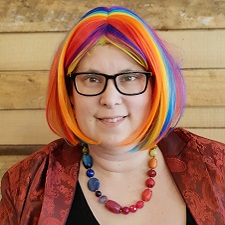
Yenn Purkis is an autistic and non-binary author, public speaker and community leader. They also have a diagnosis of schizophrenia. They are the author of nine published books on elements of autism and they are a regular blogger. Yenn has facilitated an autism support group in Canberra since 2011. Yenn has received many awards for their advocacy work over the years, including the 2016 ACT Volunteer of the Year Award and the 2019 ACT Chief Minister’s Inclusion Award. Yenn is a public speaker of almost 20 years’ experience and has presented at a range of events including at TEDx Canberra in 2013.
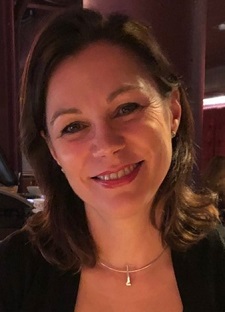
Alison Neal is the director of Midlands Occupational Therapy and provides specialist occupational therapy services for children and young adults with a range of difficulties. Alison is an advanced practitioner in sensory integration therapy; she has several years experience of providing post graduate training to other therapists on this subject and has co-authored a book on sensory movement breaks. Alison works with families, children and young people at home and in a variety of mainstream or special schools and colleges to find solutions to everyday problems that actually work and can be implemented at home or school. She can also offer assessments for EHC plans and tribunals where necessary.
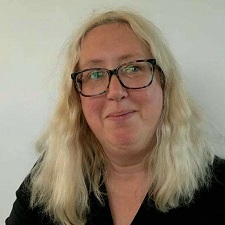
Emma Reardon is a director of Autism Wellbeing CIC – a small, neurodiverse team of professionals and clinicians united by a desire to find ways for autistic and non-autistic people to collaborate equitably and successfully. Her professional career spans 25 years within social care as a support worker, registered service manager, and in service development and commissioner relationships.
Emma has qualifications in community mental health, management, and counselling, and holds a MA in Professional Practice. Her current PhD research is about perceptions of autism held by Community Mental Health Teams.
Emma has written and delivered training throughout her career and has an engaging presentation style that challenges and encourages participants to see the world through other people’s perspectives. Most recently, Autism Wellbeing’s Sensory Trauma course was undertaken by Integrated Autism Service clinicians in Wales. Emma is passionate about mixing her professional and lived experience of autism in her guest lectures, presentations and workshops to create spaces where people have opportunities to share, connect, and find common ground. She can also offer environmental sensory assessments of workplaces, schools, and care services, and workplace mentoring.
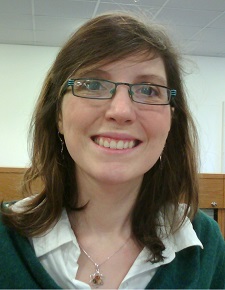
Dr Rachel Moseley (pronouns she/her) completed her PhD in cognitive neuroscience at the University of Cambridge, where she studied brain function and structure in autistic people. After her PhD, Rachel took up two positions as a postdoctoral researcher to pursue this research further. In the course of learning more about the presentation of autism in girls and women, she sought assessment and was diagnosed as autistic, which helped answer a lot of questions.
Rachel is now a Principal Academic at Bournemouth University, where her research centres around understanding the challenges faced by autistic adults – most notably around mental health, self-injury and suicidality, ageing and late-diagnosis.
Dr Georgia Pavlopoulou is a Lecturer in Developmental Psychology and Mental Health at UCL, and Senior Research Associate and Autism workforce trainer lead at Anna Freud Centre.
Dr Pavlopoulou is an Early Career Researcher with more than 19 years of experience working with autistic people and their families in health and education settings. She was awarded a PhD in Developmental Psychology and Mental Health in 2019 examining autistic and non-autistic siblings’ experiences of wellbeing. Her UCL post doc research focused on personalised care in sleep management and anxiety with autistic adolescents using innovative participatory methodologies.
She has expertise in creative participatory health and educational research and knowledge exchange programs which aim to bring together families, professionals, YP and activists to promote neurodiversity, acceptance, and mental health in educational and health settings. In 2018, she co-established and run the 1st ever Siblings Research Network at Great Ormond Hospital for autistic and non-autistic children and their families.
Within 24 hours of your booking, you will receive an email containing personal login details to stream all of the recorded webinars and view the available presentation slides for a 30 day period.
If you don’t receive your login details, or have any difficulty accessing the webinars, please contact us at info@autismlearns.co.uk.
| Streaming Cost | £84.99 |