Understanding Autism & ADHD
An online learning series
Stream all webinars for 30 days

Stream all webinars for 30 days
Autism and attention deficit hyperactivity disorder (ADHD) co-occur with a high frequency. Current research suggests that over 50% of autistic children meet the criteria for ADHD. Although studies indicate that there is some shared causation between the two conditions, the evidence is far from conclusive.
In this new online learning series, our team of leading autism specialists will explore the relationship between autism and ADHD, how they present together, and the different approaches needed when supporting a child or young adult with the co-occurring conditions compared to a sole autism diagnosis.
Learnings include:
All content is CPD certified for professionals and a CPD Certificate of Attendance is available upon request.
| Session | Title | Speaker |
|---|---|---|
| 1.1 | Being AuDHD – what does it mean to be both autistic and ADHD? | Dr Emma Craddock, Senior Lecturer in Health Research at Birmingham City University |
| 1.2 | Sensory seeking and sensory avoidance: finding a balance | Alison Neal, Consultant Occupational Therapist at Midlands Occupational Therapy and Founder of School Sensory Solutions |
| 1.3 | Executive functioning support in neurodivergent classrooms | Aimee Cave, Trainer and Consultant at ADHD & Beyond Training Solutions |
| 1.4 | The after-school effect: understanding masking in children and young people. When school doesn't see what parents are telling them | Colette Longden, National Training Director at Blueprint Learning |
| 1.5 | More than procrastination: strategies for navigating time blindness, autistic inertia and ADHD paralysis | Colin Foley, CEO of Neurodiversity Training UK |
| 1.6 | The ADHD life tax: reducing the daily friction of being autistic and ADHD | Laura Kerbey, Founder of PAST – Positive Assessments Education Support and Training |
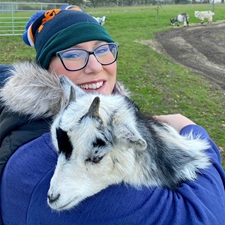
Dr Emma Craddock is a Senior Lecturer in Health Research at Birmingham City University and Co-Editor of the academic journal Health.
A feminist qualitative researcher, she led the first study exploring women’s experiences of adulthood diagnoses of both autism and ADHD (AuDHD).
She is also the author of Living Against Austerity: A feminist investigation of doing activism and being activist (Bristol University Press, 2020). Her research on gendered health inequalities has shaped policy debates and attracted international media attention, featuring in outlets such as BBC News, Tatler Hong Kong, and 360Info, reaching over 1.8 million readers.
She regularly gives invited talks, including for the Autistic Girls Network, and presents at national and international conferences.
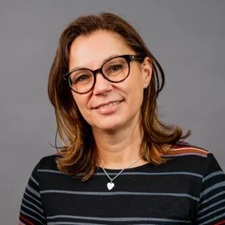
Ali Neal is a specialist Occupational Therapist with advanced training in sensory processing. She runs School Sensory Solutions which provides regular and cost effective training for all educators supporting SEN and neurodivergent pupils in schools via an online learning platform. Ali prides herself in finding solutions to everyday problems experienced by children and young people at school that actually work and supporting teachers to incorporate these in their already busy days.
Ali presents regularly at national level on the topic of Occupational Therapy and sensory processing for a number of organisations across the country including at both The Autism Show and The OT Show. She has written a book on Sensory Movement Breaks and has written an award winning program for developing motor skills for children with special educational needs.

Aimee Cave is an experienced trainer, having previously held the role of National Training Officer at the ADHD Foundation. In addition, she has 20 years of current teaching experience, both in the UK and internationally. Aimee is a passionate advocate for inclusive education and an experienced leader in SEND.
Aimee brings particular expertise in understanding and supporting neurodiverse differences, trauma-informed practice, emotional regulation, and the transformative power of relationships in educational settings.
Aimee is known for delivering impactful CPD to national and international organisations, focussing on creating holistic change, with a deep commitment to equity, empathy, and the wellbeing of all.
Colette Longden is the National Training Director at Blueprint Learning. She delivers education and parent/carer support by combining personal insight with professional experience.
With lived experience of ADHD, alongside her background as a SEND teacher, curriculum lead, and mentor, she brings genuine and practical perspectives to training initiatives that support children and young people. She is also a passionate advocate for children, parents, and carers who face challenges in accessing education.
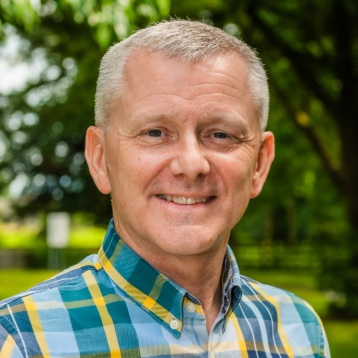
Colin Foley is an internationally renowned speaker and training consultant, specialising in education and neurodiversity for employers, in private sector business, public services, health and social care services.
Colin worked in the education sector for twenty-five years, including in senior leadership, teacher training and as Director of College. Following this, Colin was the National Training Director for the ADHD Foundation from 2015- 2025. Working extensively in international and independent schools and academies across the UK, Colin provides dynamic bespoke training, evidence- based strategies and demonstrations of best practice.
Colin has worked with Early Years settings, primary and secondary schools, colleges and universities across the UK and abroad, including Ireland, Dubai, Switzerland, Norway, Japan, Indonesia, Germany, The Netherlands and Australia.
Colin provides training opportunities in person, online or recordings on the full range of neurodivergent conditions and mental health and wellbeing.
As CEO of his own consultancy, Colin leads a team of professionals providing a wide range of services across all sectors.
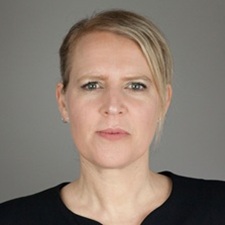
Laura Kerbey has been working with autistic children and young people for over 22 years.
Laura started her teaching career as a lecturer in the Supported Learning Department of a large Mainstream Colleges teaching Numeracy, Literacy, Life Skills and Childcare. She also worked as the Life Skills Co-ordinator at a residential college for young people with severe physical disabilities. Laura specialised in Autism in 2002 when she became the Autism Champion for the Surrey College Network, she then became Assistant Head Teacher, then Head Teacher at an independent special school for autistic children.
Laura is the author of “The Educator’s Experience of PDA” and “The Teen’s Guide to PDA which are both published by Jessica Kingsley Publishing. “The (Slightly Distracted) Women’s Guide to living with ADHD, “The Simple Guide to PDA for Kids” and “The Simple Guide to PDA for Parents and Professionals” will all be published in 2025. All Laura’s books are illustrated by the popular Eliza Fricker.
In March 2013 Laura founded Positive Autism Support and Training (PAST). PAST provided support to families who have autistic children and other associated conditions. In March of 2023 PAST became Positive Assessments Support and Training.
In October 2018 Laura launched KITE Therapeutic Learning Services with a colleague. KITE provides bespoke therapeutic learning programmes for children who are unable to access school due to high anxiety or other needs. The majority of children accessing KITE are autistic with a PDA profile.
Laura is neurodivergent herself and received a diagnosis of ADHD in her forties. She also self identifies as autistic. Laura’s eldest son has ADHD and her youngest son has a rare neurological condition.
Within 24 hours of your booking, you will receive an email containing personal login details to stream all of the recorded webinars and view the available presentation slides for a 30 day period.
If you don’t receive your login details, please check your spam/junk folder in case it was diverted there. Otherwise for any difficulties accessing the webinars, please contact us at info@autismlearns.co.uk.
| Streaming Cost | £84.99 |
| Session | Title | Speaker |
|---|---|---|
| 2.1 | Supporting executive function at home and in daily life | Alexandra Harvey-Bryn, Co-Founder of NeuroChicks, AuDHD Coach and Therapist, and Head of Training at Headstuff ADHD |
| 2.2 | AuDHD burnout, survival and safety | Vivien Dawes, Lived Experience Advocate, Trainer and Author |
| 2.3 | Understanding the facts about medication for ADHD and autism | Professor Peter Hill, Emeritus Professor in Child and Adolescent Psychiatry and Consultant Psychiatrist in Independent and Clinical Advisory Practice |
| 2.4 | Exploring Rejection Sensitivity Dysphoria (RSD) through a neuroaffirming lens: understanding RSD and practical ideas for support and self-compassion | Emma Whymark and Lisa Poole, Neurodiversity Coaches and Trainers at Attuned Approach |
| 2.5 | Communication and emotional regulation across contexts | Dr Jaime Hoerricks, Special Education Resource Specialist Programme (RSP) Teacher, Literacy Specialist and Author |

Alexandra Harvey-Bryn is an AuDHD Coach and Therapist, and Head of Training at Headstuff ADHD.
Alex works intuitively and therapeutically with clients, blending coaching, neurodivergent lived experience, and trauma-informed insight to support a deep journey of ADHD self-discovery, acceptance and transformation. Her approach is authentic, grounded and gently powerful – supporting you if you need to unpack years of misdiagnosis, self-doubt and internalised shame.
Alex was diagnosed with ADHD in her mid-30s – after what was mislabelled as a ‘nervous breakdown’. She had long struggled with the impact of undiagnosed neurodivergence. She was previously told she had depression and anxiety, but treatments never fully resonated or helped. Looking back, Alex now recognises the coping mechanisms and self-stimulating behaviours she used to manage her symptoms without realising.
To the outside world, she looked like a high achiever. Inside, she was overwhelmed, constantly masking and living with the effects of Rejection Sensitive Dysphoria. Despite this, she built a highly successful career in Social Care and Housing, managing senior regional services and transforming low-performing teams into high-impact ones through her natural clarity, empathy and motivational leadership.
She is also a proud parent to an Autistic, ADHD and PDA-profile son. Her personal experience as both a neurodivergent individual and parent deepens her understanding, compassion and ability to support clients navigating the complexities of family life, education systems, emotional regulation, advocacy and identity development.
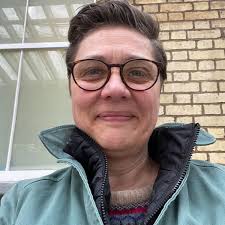
Viv Dawes is a late-identified and diagnosed autistic (PDA) and ADHD lived experience advocate, consultant, author and trainer. She is also the parent of a neurodivergent teenager.
Viv has 30 years experience of working with vulnerable young people and adults. For 6 years she was an NHS Senior Practitioner, managing teams of forensic drug workers in women’s prisons and started and ran their own community addiction recovery programme. Most of the people Viv worked with and supported were neurodivergent.
Viv has many years experience of working with people experiencing challenging and crisis situations; as an autistic person, they have lived experience of many of the challenges that they help others to navigate including burnout.
Viv has a great deal of experience in delivering training, online and face-to-face workshops, management of programmes and also has vast experience and understanding of how to work with vulnerable young people and adults. She is an engaging and dynamic public speaker with a good sense of humour too!

Professor Peter Hill is a consultant child and adolescent psychiatrist with extensive training and qualifications in general medicine, psychiatry, child and adolescent psychiatry and paediatrics.
His main work nowadays is at a thriving private practice at 35 Great James Street in Bloomsbury, London, focusing on neurodevelopmental disorders and mental illness in the young.
He has previously headed departments at St George’s, University of London, (where he was foundation professor of child mental health in the University of London and is still visiting professor) and at Great Ormond Street Hospital for Children.
Over the years he has advised government departments in the UK and overseas on child mental health issues, particularly service delivery. He has been a key opinion leader in ADHD for some twenty years and has written, lectured or advised on the management of ADHD nationally and internationally.
The themes he has most recently been invited to talk on at various international meetings are the manifestations and treatment of ADHD as children mature through adolescence into adulthood, and how treatment interventions can best be targeted.
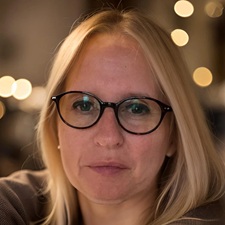
Emma Whymark is a mother of two neurodivergent (now adult) sons. She spent 25 years working in Norfolk schools, mostly as a SEND teacher and adviser. She is also an ex-therapeutic foster carer.
For the last seven years Emma has been working as a self-employed therapist, coach, trainer and education consultant specialising in neurodiversity. More recently she trained as an ADHD coach and works with clients of all ages with a range of neurodivergent conditions. She was diagnosed with ADHD in 2023.
Emma’s passion has always been to help people to achieve their potential. Supporting others to understand their neurodivergence and how to work with their unique brains is a privilege that she really enjoys. By developing ATTUNED neurodiversity training for coaches, with her colleague Lisa Poole, she is excited to have the opportunity to help others undertake the same work.
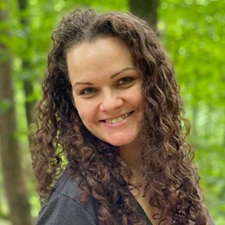
Lisa Poole has a diagnosis of ADHD and her partner is AuDHD. Together they have five neurodivergent children who have diagnoses including autism, ADHD, PDA, DCD, SPD, dyslexia and dyscalculia. So safe to say, they live and breathe neurodivergence!
Since 2021, Lisa has been running Perspective Coaching, a private coaching practice working with children, teens and adults. As her client base increased and she found myself consistently at full capacity for client sessions, she realised that she wanted to reach and support more people to help them understand the root of neurodivergent presentations.
Together with Emma Whymark, Lisa developed the ATTUNED approach to support other like minded people to train in neurodiversity coaching. She is passionate about providing better support to accommodate and empower the neurodivergent community, promoting the acceptance of the barriers that may present, understand the root of those barriers and use neuroaffirming tools to empower that individual to get their needs met without causing unnecessary discomfort or distress.
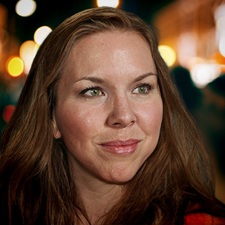
Dr Jaime Hoerricks is an AuDHD, gestalt-processing educator, writer, and system critic whose work bridges lived experience with research across neurodiversity, pedagogy, and social justice.
An experienced special education teacher in Los Angeles, Jaime’s writing explores autistic communication, alexithymia, and co-regulation through the Power Threat Meaning Framework and decolonial theory.
Jaime is the author of 2023’s No Place for Autism?, 2024’s Holistic Language Instruction, 2025’s Decolonising Language Education, and over 1,600 pieces on the Substack publication The AutSide, where she maps the emotional architectures of human connection.
Within 24 hours of your booking, you will receive an email containing personal login details to stream all of the recorded webinars and view the available presentation slides for a 30 day period.
If you don’t receive your login details, please check your spam/junk folder in case it was diverted there. Otherwise for any difficulties accessing the webinars, please contact us at info@autismlearns.co.uk.
| Streaming Cost | £84.99 |