Managing Anxiety & Mental Health
An online learning series
Stream all webinars for 30 days
Stream all webinars for 30 days
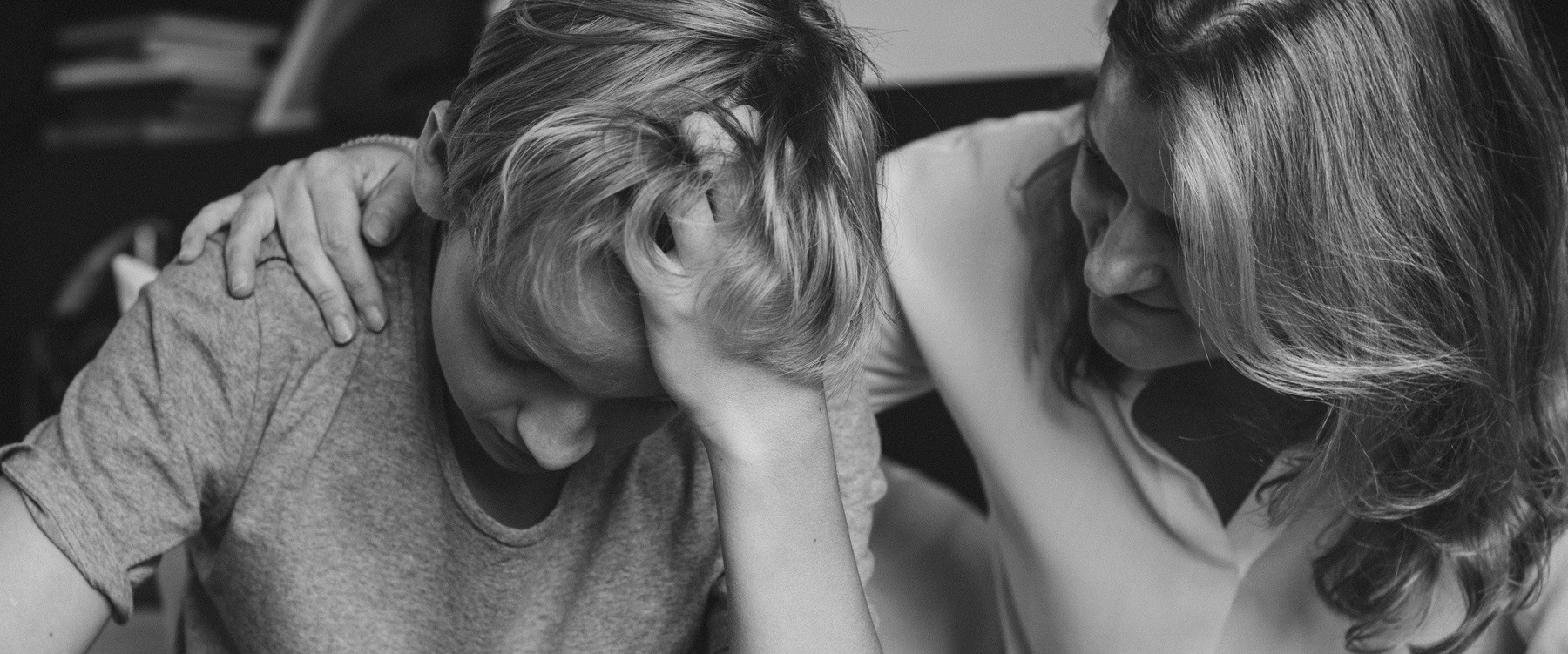
Growing up is hard enough if you’re neurotypical but for autistic children, the school years, adolescence and the transition into adulthood is a particularly vulnerable time. Their communication and social interaction difficulties, can both contribute to, and cloak, a decline in mental health. Studies have shown that autistic people are three times more likely than the general population to experience mental health issues, with anxiety, stress, and depression commonplace.
In this new online learning series, our team of leading autism professionals, including internationally renowned psychologist Dr Wenn Lawson, will provide you with the practical skills and knowledge to maintain good mental health in autistic children and young adults. You’ll learn how to unravel the causes of anxiety, how to spot the warning signs of delicate or declining mental health, and what you can do to help.
Learnings include:
All content is CPD certified and a CPD Certificate of Attendance is available upon request.
| Time | Title | Speaker |
|---|---|---|
| 1.1 | Helping autistic people to support their mental health - celebrating individuality, strengths and skills | Dr Wenn Lawson, Adjunct Associate Professor at Curtin University, and Internationally Renowned Psychologist, Lecturer and Author |
| 1.2 | Understanding anxiety in autistic children | Jodie Isitt, Founder of The Nurture Programme |
| 1.3 | Masking and camouflaging in autistic people | Carly Steel, Autism Specialist, Consultant and Trainer |
| 1.4 | Supporting autistic people to develop a personalised self-care approach to their mental health | Niamh Garvey, Autistic Author of “Looking After Your Autistic Self” |
| 1.5 | Autism and eating disorders | Phil Wroe, Autism Lived Experience Advisor and Specialist Teacher at Squarepeg SEN - Support and Education for Neurodiversity |
| 1.6 | Sleep and mental health in autism: practical strategies to promote better sleep in preschool and primary aged children | Dr Jill McGarry, Clinical Psychologist specialising in Sleep interventions at Manchester’s Sleep Service/MFT NHS, and Sleep Better Doctor |

Dr Wenn Lawson, PhD, CPsychol, AFBPsS, MAPs, is a psychologist, lecturer and author. Wenn has run his own business for more than 20 years. Aged two, he was misdiagnosed as intellectually disabled, at school of being incapable of doing as he was told, at 17 misdiagnosed with schizophrenia; in and out of Mental Health Institutions; eventually aged 42, diagnosed with an autism spectrum condition (ASC), ADHD, dyspraxia and learning difficulties.
Wenn is currently a Teaching Fellow with Birmingham University’s online Masters autism course. He is co-chair of the Australian Autism Research Council, resides on the Autism Open Access board and the board for SEAL(Community College in Warrnambool, Australia), and the ICAN board, South West (Australia). He is a participant and advisor for Autism CRC, Australia, a Project Team member and mentor for Future Leaders, and he has written numerous books (and papers) on ASC.
Jodie Isitt is Founder of The Nurture Programme. In her own words:
I am autistic. Nope, scrap that! I’m autistic and absolutely 100% proud and privileged to be able to share not only my experiences with you, but the experiences of all walks of life in the neurodivergent community, in the hope that we can bring about change, and balance, and inspire nurture throughout not just the community, but adventurously the universe!
I was only diagnosed in 2020, over 8 years after my first child was diagnosed (three autistic children altogether) and whilst I have been predominantly using a nurturing parenting style, it never fully translated to myself, therefore I was frequently in a state of shutdown and burnout and unable to tend to my own needs. Impossible really when I wasn’t aware there were any, let alone understand them to be able to advocate for them to be met. I made the mistake of believing I knew everything about autism, until I was diagnosed myself. I now understand and fully support that there simply are no experts. Not one single expert on autistic experience or other neurodivergence, because no one person can simply know and understand every single person on the planet. Our experiences are individual and unique and absolutely beautiful and learning about neurodivergence is one of the most inspiring, fulfilling things I have ever done in my life.
Carly Steel is the author of “Consulting autistic young people on their personal happiness” published in the Good Autism Practice journal. Carly started her career as a teacher in a specialist college, supporting autistic young people. She completed her masters degree in autism, passing with Distinction before going on to coordinate alternative provisions for a large charity across the East Midlands and London. Carly became a Director and Head of Education for an outdoor alternative provision, which allowed her to follow her true passion; working more closely with parents, young people and staff. Carly is autistic herself, providing a unique and rare insight into the autistic experience.
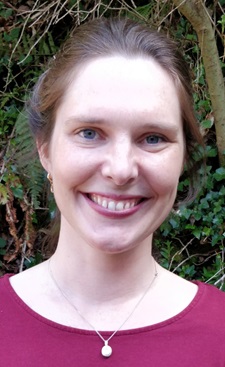
Niamh Garvey is an autistic author living in Cork. She is the author of “Looking After Your Autistic Self: A Personalised Self-Care Approach to Managing your Sensory and Emotional Well-Being”. Her first book for autistic kids “Being Autistic (and what that actually means)” will be published this July.
Niamh has a Diploma in Autism Studies and is a registered nurse. She is also the mum of three neurodivergent children.
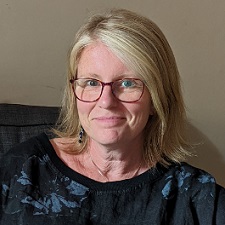
Phil Wroe is a teacher specialising in working with children with SEN, and children who are “looked after” by local authorities.
Most of her work is one to one teaching and assessments to identify areas of educational need. Phil also provides training for schools on areas such as dyslexia and literacy difficulties and has been doing this for the past 13 years.
Phil is also an autistic lived experience advisor and founded her company Squarepeg SEN – Support and Education for Neurodiversity this year.
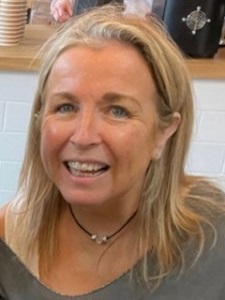
Dr Jill McGarry is a Consultant Clinical Psychologist with nearly 30 years of NHS experience in psychological support for people with mental health issues. Initially her work within the NHS was within brain injury services.
Her main focus for the last 20 years has been in learning disability and autism services and more recently has been extended to incorporate the perinatal period (i.e. mums with babies under two with mental health problems). Throughout this work Jill has built up a wealth of knowledge and experience which has led her to be passionate about the benefits of improving people’s sleep. Recently this has been consolidated with attending courses from two prestigious sleep teams, Oxford University’s SCNI and The Sleep Unlimited as well as the BSM (Behavioural Sleep Medicine) seminars from Arizona.
Currently Jill runs a part time private practice for improving sleep and in 2022 started working part time in the psychology department at Manchester’s NHS Sleep Service. Over the past year Jill has carried out numerous sleep awareness courses for wellbeing teams, private organisations, LD psychiatrists and psychology services as well as co facilitate a national conference on Sleep and ASD/LD. Recently she’s advised Baywater on their NHS England project to develop reasonable adjustment to sleep apnea interventions for people with ASD and/or LD.
Within 24 hours of your booking, you will receive an email containing personal login details to stream all of the recorded webinars and view the available presentation slides for a 30 day period.
If you don’t receive your login details, please check your spam/junk folder in case it was diverted there. Otherwise for any difficulties accessing the webinars, please contact us at info@autismlearns.co.uk.
| Streaming Cost | £84.99 |
| Time | Title | Speaker |
|---|---|---|
| 2.1 | When autistic teens disengage: what to do if your teen won’t come out of their bedroom | Aaron Yorke, Founder and Consultant at Accepting Behaviour |
| 2.2 | Autism, girls and keeping it all inside | Cathy Wassell, CEO of Autistic Girls Network |
| 2.3 | Specialised mental health support for autistic people | Catherine Leggett, Training Consultant, Autistic Elder and Parent |
| 2.4 | Sensory processing and wellbeing – how our sensory experiences impact upon emotional and physical wellbeing | Laura Graham, Independent Occupational Therapist |
| 2.5 | Neurodiversity affirming and neurodiversity informed mental health services: agency, collaboration and wellbeing for all | Dr Georgia Pavlopoulou, Associate Professor at University College London (UCL),and Co-Strategic Lead and Director of the National Autism Trainer Programme at Anna Freud |
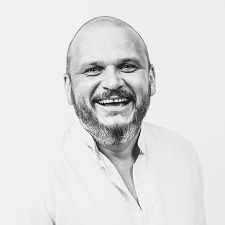
Aaron Yorke is an independent autism advisor, specialist teacher and founder of “Accepting Behaviour”. He has 17 years experience as an SEN Teacher and autism advisor for Local Authorities in the West Midlands. Aaron recently developed and published The ACCEPT Approach™ which is a new acceptance based strategy created to support children and young people with social and communication differences. Aaron is also an autistic adult with ADHD, and is a parent of two autistic children.
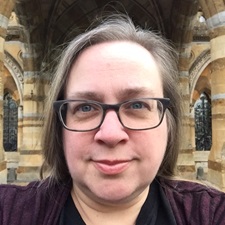
Cathy Wassell is CEO of Autistic Girls Network, author of “Nurturing Your Autistic Young Person” and neurodivergent mum to two neurodivergent young people of her own. She runs workshops, training and mentoring programmes for parents, education, health and social care professionals and corporates.
“Nurturing Your Autistic Young Person” is the book Cathy wishes had been written when her teens were going through the diagnostic process. With numerous 5 star reviews on Amazon, it’s a handbook to read all at once or dip in and out, covering all aspects of what you need to know to provide a nurturing and neuro-positive environment for your autistic young person.
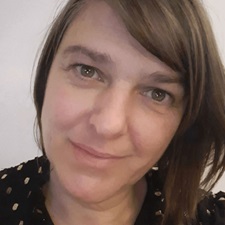
Catherine Leggett’s background is in engineering and technical roles, and they have also worked on gender equality projects for women in science, engineering and technology.
Catherine is an experienced autism and employment consultant and trainer and has worked with employers and employees nationwide as a specialist optimising autistic people’s strengths at work since 2014. Catherine also speaks at conferences and events, and regularly contributes to articles and interviews to promote the recruitment, retention and progression of autistic people in the workplace. Catherine was diagnosed autistic in 2015 and has an adult autistic child.
In their spare time, Catherine enjoys advocacy and building peer support networks for adults to bring together autistic autism professionals, parents, jobseekers, creatives, artists and other professionals to address some of the shortfalls in the support available around diagnosis, accessing healthcare and services and generally living well as an autistic person. Cath is a passionate about their work, bringing communities together and bridging the gaps between parents, autistic adults and support professionals.
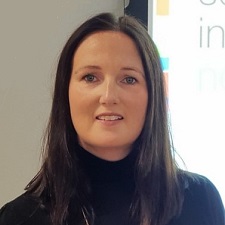
Laura Graham is an independent occupational therapist with over 20 years’ experience and holds a post graduate certificate in Sensory Integration from the University of Ulster.
Laura is co-author of the book, “How to Help Developmental Coordination Disorder (Dyspraxia)” published in 2022 and has spoken at many events and conferences.
Laura was awarded the Queens Nurses Institute Award for Innovation and Leadership in 2010 for her role in developing a community-based behaviour and sensory clinic for young adults with sensory processing needs.
Day to day Laura provides occupational therapy consultation, assessment, and intervention to several schools, both mainstream and specialist settings. Laura also works with a number of local authorities and adoption agencies to support children and young people with sensory processing issues linked to developmental trauma.

Dr Georgia Pavlopoulou is Associate Professor at University College London (UCL), and Co-Strategic Lead and Director of the National Autism Trainer Programme at Anna Freud.
Dr Pavlopoulou is an Early Career Researcher with more than 19 years of experience working with autistic people and their families in health and education settings. She was awarded a PhD in Developmental Psychology and Mental Health in 2019 examining autistic and non-autistic siblings’ experiences of wellbeing. Her UCL post doc research focused on personalised care in sleep management and anxiety with autistic adolescents using innovative participatory methodologies.
She has expertise in creative participatory health and educational research and knowledge exchange programs which aim to bring together families, professionals, young people and activists to promote neurodiversity, acceptance, and mental health in educational and health settings. In 2018, she co-established and run the first ever Siblings Research Network at Great Ormond Hospital for autistic and non-autistic children and their families.
Within 24 hours of your booking, you will receive an email containing personal login details to stream all of the recorded webinars and view the available presentation slides for a 30 day period.
If you don’t receive your login details, please check your spam/junk folder in case it was diverted there. Otherwise for any difficulties accessing the webinars, please contact us at info@autismlearns.co.uk.
| Streaming Cost | £84.99 |