Managing Anxiety & Mental Health
An online learning series
Stream all webinars for 30 days

Stream all webinars for 30 days
Growing up is hard enough if you’re neurotypical but for autistic children, the school years, adolescence and the transition into adulthood is a particularly vulnerable time. Their communication and social interaction difficulties, can both contribute to, and cloak, a decline in mental health. Studies have shown that autistic people are three times more likely than the general population to experience mental health issues, with anxiety, stress, and depression commonplace.
Our team of leading autism professionals will provide you with the practical skills and knowledge to maintain good mental health in autistic children and young adults. You’ll learn how to unravel the causes of anxiety, how to spot the warning signs of delicate or declining mental health, and what you can do to help.
Learnings include:
All content is CPD certified and a CPD Certificate of Attendance is available upon request.
| Session | Title | Speaker |
|---|---|---|
| 1.1 | It’s not just the autism! Understanding mental health issues in autistic young people | Lynsey Steward, Director of L-Mac Consultancy |
| 1.2 | Anxiety in autism: how common is it, what causes it, and what strategies might help to manage and reduce it? | Tigger Pritchard, Neurodivergent Advocate, Consultant and Trainer at Tigger Training |
| 1.3 | Understanding depression and what therapies can help autistic children and young adults | Lavinia Dowling, Director and Autism Specialist Nurse Consultant at The M Word and Yasmin Alexandria, Social Media Manager and Autistic Blogger at The M Word |
| 1.4 | Mental health at school – creating a more positive environment for autistic students | Sue Stephens, Special Education Consultant and Trainer |
| 1.5 | Not going out: what happens when autistic children and teens disengage and how can you support them? | Chris Bonnello, Special Needs Tutor, Multi-Award Winning Writer and Speaker at Autistic Not Weird |
| 1.6 | Sleep and mental health in autism: practical strategies to promote better sleep in preschool and primary aged children | Dr Jill McGarry, Clinical Psychologist at the Sleep Service at Manchester University NHS Foundation Trust and Sleep Better Doctor |
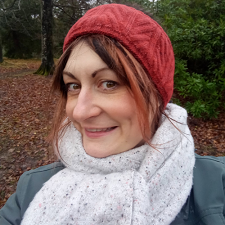
Lynsey Stewart is a neurodiversity trainer, researcher and consultant. She has a masters degree in autism (adults) and is currently a PhD student at the University of Strathclyde.
Lynsey has over 15 years experience in working and communicating with autistic people. She has worked with local authorities, large corporations, academics, charities, employers, government, health colleagues, education colleagues, and, most importantly neurodivergent individuals. She has a range of experience from delivering large scale training events, to providing one to one support to autistic employees.
Throughout her career she has had the opportunity to write guidance, training and research reports which have been used across Scotland to increase the understanding of autism.
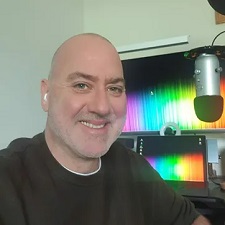
Tigger Pritchard is awesomely neurodivergent. He is an autistic and pathological demand avoidance, advocate, consultant and trainer based in Cornwall.
Tigger has over thirty five years of professional and personal experience of working alongside, learning from and advocating for neurodivergent individuals. Tigger has done this in many different ways: support worker, advocate, teacher, facilitator, trainer, manager, lecturer and friend. Plus he has a lifetime of autistic experience which he is still exploring.
Tigger’s focus is raising understanding and acceptance of neurodiversity; accepting people for who they are and not trying to fit them into any “neurotypical box” and understanding that one size does not fit all.
Using his extensive experience, knowledge, teaching practice and personal insight, Tigger passes on his skills through training and consultancy work both face to face and online by supporting individuals, families, corporate organisations and educational settings on a consultancy basis.
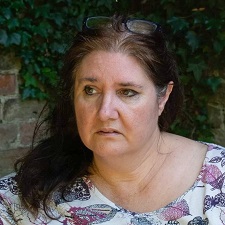
Lavinia Dowling has practised as a licensed mental health clinician for 25 years in hospitals (General and Psychiatric), nursing homes for those with dementia and learning/physical disabilities, Huntington’s Chorea (inpatient and community), drug and alcohol rehab, forensics, community teams (CAMHS, adult and older adult), mother and baby units, CAMHS (community, autism screening and assessment, and A&E), and the military (MoD and the NHS).
She works with children, adolescents, young adults, and older adults with a broad range of mental health issues, and has a wealth of experience helping clients who have autism and military trauma.
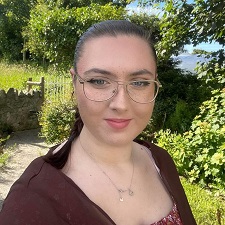
Yasmin Alexandria works for The M Word CIC and Emotional Problem Solving Ltd as Social Media Manager. For the last few years she has designed and written items with various spin-offs pertaining to mental health.
Yasmin began representing teenagers and young adults in her role as co-host for the well known broadcast “Unearthing”. After a difficult time at school Yasmin finds it vital to give our young people a voice and safe space to be able to express themselves. She offers refreshing and reassuring advice to both our young people and parents alike. Yasmin prides herself on having a very open mindset, and doesn’t like to dodge the difficult questions regarding autism and mental health. She feels honesty is the best course of action due to the still lingering stigma.
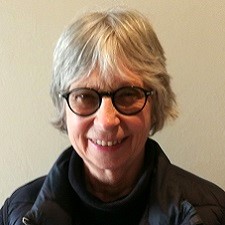
Sue Stephens is a consultant in special education and delivers training and consultancy across the country on behalf of the National Autistic Society, including Autism Education Trust training and bespoke training for the particular needs of schools.
Sue retired as headteacher of Freemantles School, one of the largest local authority provisions for pupils with autism, in 2010, after a thirty-eight year teaching career which spanned mainstream primary, mainstream secondary and special education settings. From 1988 onwards, Sue worked with pupils with autism who had complex and challenging behaviours, first in the classroom and then in a management roles culminating in headship.
In addition to the 4-to-19 specialist provision at Freemantles, she was responsible for an outreach team providing support, training and consultancy to mainstream schools. She currently leads a Sunday club for young people with additional needs and complex behaviours and is a school governor.

Chris Bonnello is a special needs tutor with Asperger’s syndrome, formerly a primary school teacher. Since 2015, he has become a national and international speaker on autism issues, and the multi-award-winning writer behind autisticnotweird.com. He is also the author of Underdogs, a near-future war novel featuring autistic heroes.
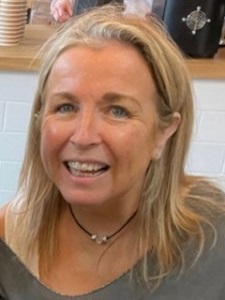
Dr Jill McGarry is a Consultant Clinical Psychologist with nearly 30 years of NHS experience in psychological support for people with mental health issues. Initially her work within the NHS was within brain injury services.
Her main focus for the last 20 years has been in learning disability and autism services and more recently has been extended to incorporate the perinatal period (i.e. mums with babies under two with mental health problems). Throughout this work Jill has built up a wealth of knowledge and experience which has led her to be passionate about the benefits of improving people’s sleep. Recently this has been consolidated with attending courses from two prestigious sleep teams, Oxford University’s SCNI and The Sleep Unlimited as well as the BSM (Behavioural Sleep Medicine) seminars from Arizona.
Currently Jill runs a part time private practice for improving sleep and in 2022 started working part time in the psychology department at Manchester’s NHS Sleep Service. Over the past year Jill has carried out numerous sleep awareness courses for wellbeing teams, private organisations, LD psychiatrists and psychology services as well as co facilitate a national conference on Sleep and ASD/LD. Recently she’s advised Baywater on their NHS England project to develop reasonable adjustment to sleep apnea interventions for people with ASD and/or LD.
Within 24 hours of your booking, you will receive an email containing personal login details to stream all of the recorded webinars and view the available presentation slides for a 30 day period.
If you don’t receive your login details, please check your spam/junk folder in case it was diverted there. Otherwise for any difficulties accessing the webinars, please contact us at info@autismlearns.co.uk.
| Streaming Cost | £84.99 |
| Session | Title | Speaker |
|---|---|---|
| 2.1 | Looking beneath the surface – why compensatory mechanisms may be a double-edged sword | Tigger Pritchard, Neurodivergent Advocate, Consultant and Trainer at Tigger Training |
| 2.2 | Improving wellbeing for autistic children and young adults - Communication and socialising with parents and peers - Physical exercise and the outdoors - Encouraging and engaging in special interests | Georgia Harper, Policy Manager at Autistica and Jack Welch, Trustee of Ambitious about Autism |
| 2.3 | The 3C Pathway: how parents and professionals can positively support the wellbeing of young people they live and work with | Tessa Morton, Co-Founder and Director of Act for Autism |
| 2.4 | Self-harm and suicidal behaviours: how to spot them and what to do | Geoff Evans, Independent Autism Trainer and Consultant |
| 2.5 | Autism and ADHD…the bits that aren’t superpowers! | Andrew Whitehouse, SEND Consultant (Forensic) at People First Education |
Tigger Pritchard is awesomely neurodivergent. He is an autistic and pathological demand avoidance, advocate, consultant and trainer based in Cornwall.
Tigger has over thirty five years of professional and personal experience of working alongside, learning from and advocating for neurodivergent individuals. Tigger has done this in many different ways: support worker, advocate, teacher, facilitator, trainer, manager, lecturer and friend. Plus he has a lifetime of autistic experience which he is still exploring.
Tigger’s focus is raising understanding and acceptance of neurodiversity; accepting people for who they are and not trying to fit them into any “neurotypical box” and understanding that one size does not fit all.
Using his extensive experience, knowledge, teaching practice and personal insight, Tigger passes on his skills through training and consultancy work both face to face and online by supporting individuals, families, corporate organisations and educational settings on a consultancy basis.

Georgia Harper is a former Youth Patron for Ambitious about Autism, co-authoring the research behind their award-winning “Know Your Normal” campaign, highlighting mental health in young autistic people. Georgia is now Policy Manager at Autistica, the UK’s autism research charity, and is passionate about bringing an autistic voice to the wider conversation about autism.

Jack Welch is one of the co-authors of the award-winning “Know Your Normal” research, which was a joint campaign led by Ambitious about Autism and the Centre for Research in Autism and Education. Jack was a Youth Patron for Ambitious about Autism from 2015-19 and has been serving as a trustee of the charity since December 2021. He wears numerous hats, but his full-time role is based in Dorset County Hospital’s library.
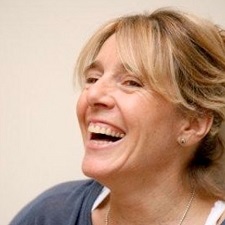
Tessa Morton is co-founder, with Jane Gurnett, of an award winning social enterprise, Act for Autism, based in the Midlands. Their work comprises of workshops, mentoring and community projects. For the last eight years they have been the commissioned provider of parent and professional training for Warwickshire County Council. In 2019 they were invited to write a book on their work for JKP publishing called “Connecting and Communicating with your Autistic Child”, which explains the 3C Pathway relational approach to supporting autistic children. They are both parents to autistic adults and have a deep passion and commitment for building awareness and acceptance of autism in the community.
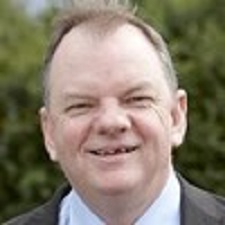
Geoff Evans is currently an independent chair for a local authority autism strategy consultation group and delivers training for autism champions.
Over the past 30 years, Geoff has gained considerable experience working with children and adults with autism, their carers and siblings.
He has been involved in a variety of settings including autism special schools, mainstream provision children and adult residential services and community based support. Over this period he has gained a reputation as a national and international trainer and conference speaker in all aspects of autism and in particular behaviour which challenges.
Geoff’s other work experience has included managing residential provisions and being head of quality and compliance for an independent provider.
His recent publications include an article in the May edition of GAP and an online practice paper for Network Autism.

TEDx Speaker and Bamford Lecturer Andrew Whitehouse, is a specialist in neurological diversity and provides interventions for professionals, parents and young people with autism, ADHD, dyslexia and related conditions as well as behavioural interventions. Andrew has a number of roles including training, strategies and therapies for education professionals in early years settings and schools, observing learners in the learning environment and providing practical solutions to help them achieve their potential.
Andrew provides short courses for Bishop Grosseteste University and the University of Lincoln and holds a number of UK and overseas contracts. Andrew has delivered three TEDx Talks including “From Disability to Superpowers” and has an extensive conference profile. Andrew is also a Forensic SEND Consultant and acts as an expert witness in SEND related court cases.
Within 24 hours of your booking, you will receive an email containing personal login details to stream all of the recorded webinars and view the available presentation slides for a 30 day period.
If you don’t receive your login details, please check your spam/junk folder in case it was diverted there. Otherwise for any difficulties accessing the webinars, please contact us at info@autismlearns.co.uk.
| Streaming Cost | £84.99 |