Understanding Sensory Processing & Autism
An online learning series
Stream all webinars for 30 days

Stream all webinars for 30 days
This online learning series will explore the sensory differences experienced by autistic children and adults. We’ll provide you with an in-depth understanding of sensory processing disorder and offer practical strategies to help you effectively support an autistic person at home and in the classroom.
Our team of leading autism professionals, including the world-renowned psychologist Dr Wenn Lawson, will examine how differences in processing sensory information can adversely affect the ability to learn in school, function in the workplace, form friendships and interact within a family.
Learnings include:
All content is CPD certified and a CPD Certificate of Attendance is available upon request.
| Session | Title | Speaker |
|---|---|---|
| 1.1 | Understanding our senses and what they do for us | Laura Graham, Independent Occupational Therapist |
| 1.2 | Putting the function into sensory | Laura Graham, Independent Occupational Therapist |
| 1.3 | Sensory processing and distressed behaviour – why the two are interlinked | Julia Daunt, Blogger, Author, Advocate, PDA Society Trainer and Public Speaker |
| 1.4 | Understanding the tactile system | Jignasha Button, Occupational Therapist at Midlands Occupational Therapy |
| 1.5 | Examining the vestibular system | Alison Neal, Consultant Occupational Therapist at Midlands Occupational Therapy |
| 1.6 | Explaining the proprioceptive system | Rachael Thompson, Director and Head of Therapy at Cairn Education, and Director of Our Sensory Worlds |
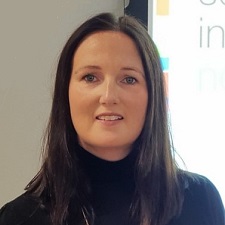
Laura Graham is an independent occupational therapist with over 20 years’ experience and holds a post graduate certificate in Sensory Integration from the University of Ulster.
Laura is co-author of the book, “How to Help Developmental Coordination Disorder (Dyspraxia)” published in 2022 and has spoken at many events and conferences.
Laura was awarded the Queens Nurses Institute Award for Innovation and Leadership in 2010 for her role in developing a community-based behaviour and sensory clinic for young adults with sensory processing needs.
Day to day Laura provides occupational therapy consultation, assessment, and intervention to several schools, both mainstream and specialist settings. Laura also works with a number of local authorities and adoption agencies to support children and young people with sensory processing issues linked to developmental trauma.
Laura is passionate about supporting children and young people who experience barriers to education and participation in leisure pursuits.
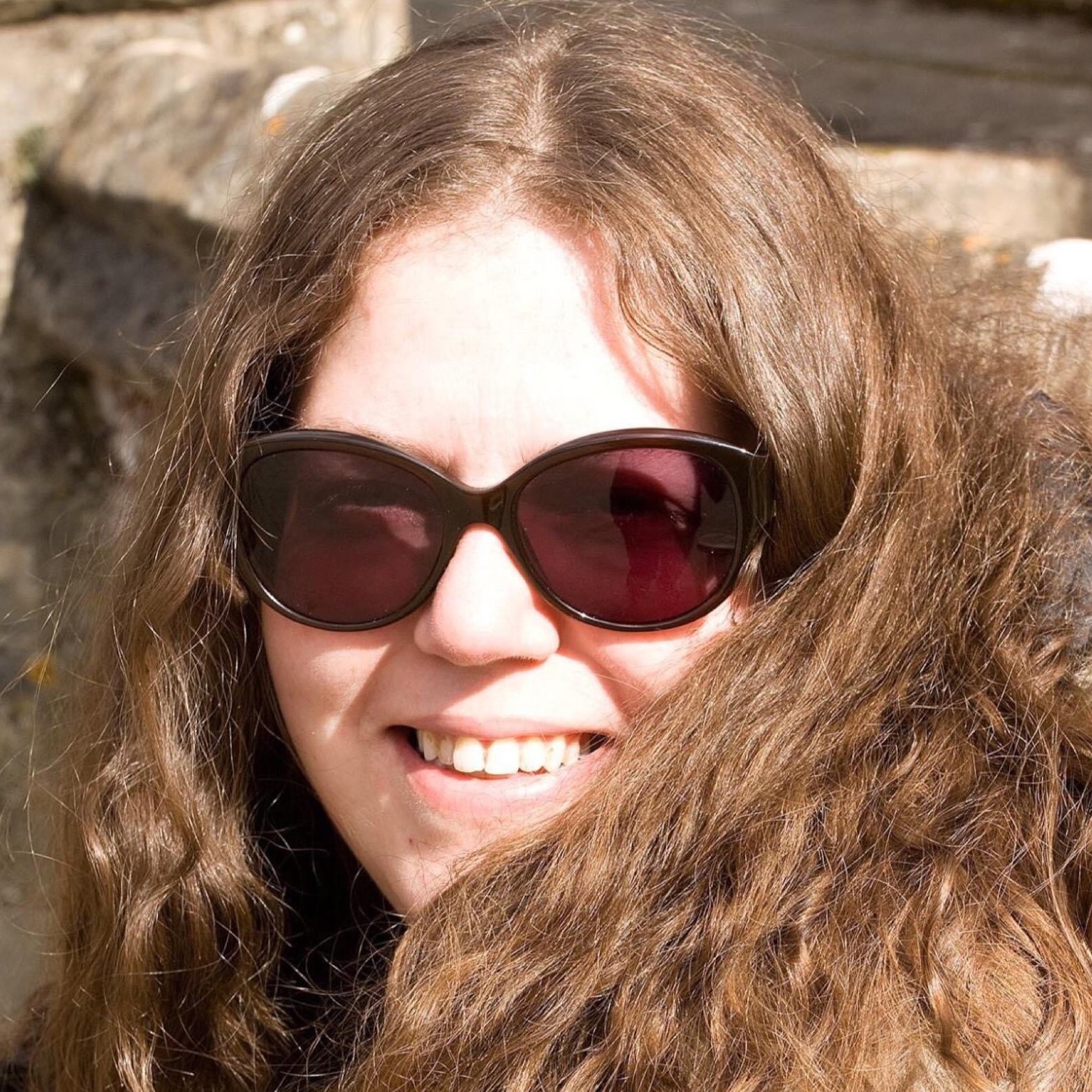
Julia Daunt is 38 years old and has a diagnoses of PDA, ADHD and psychotic episodes. She lives in Nottinghamshire with her partner of 17 years, Paul, and their two elderly cats. She is a blogger, keen crafter and advocates for better awareness and understanding of PDA.
Julia’s first book was published in 2022, entitled “Being Julia”, and covers her PDA journey.
Jignasha Button is a specialist occupational therapist with many years of experience working with children and young people with sensory processing differences and autism, as well as a broad range of other conditions. She has worked in a range of settings including family homes, clinics, mainstream and special schools, colleges and within the wider community.
Jignasha is passionate about maximising each child or young person’s functional abilities and strongly believes in empowering and upskilling families and other professionals working with them.
Jignasha holds a PG Cert. in sensory integration. She currently provides specialist occupational therapy within special schools, working as an associate for Midlands Occupational Therapy.
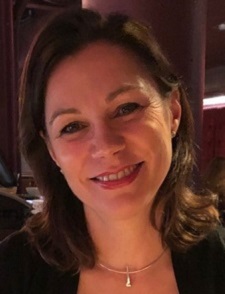
Alison Neal is the director of Midlands Occupational Therapy and provides specialist occupational therapy services for children and young adults with a range of difficulties.
Alison is an advanced practitioner in sensory integration therapy; she has several years experience of providing post graduate training to other therapists on this subject and has co-authored a book on sensory movement breaks.
Alison works with families, children and young people at home and in a variety of mainstream or special schools and colleges to find solutions to everyday problems that actually work and can be implemented at home or school. She can also offer assessments for EHC plans and tribunals where necessary.
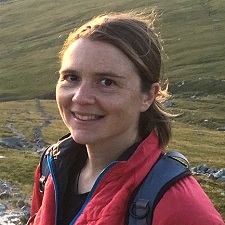
Rachael Thompson, BSc, PGCE with QTS, PGCert Sensory Integration, and MSc Occupational Therapy, is Head of Therapy at Cairn Education. Rachael has worked at independent specialist colleges for over 10 years in roles including Tutor, Occupational Therapist, Head of Education and Vice Principal.
As an autistic individual and Occupational Therapist, Rachael utilises personal and professional experience alongside the latest research to explore sensory processing differences and specifically how sensory processing differences can impact health, well-being and quality of life.
Within 24 hours of your booking, you will receive an email containing personal login details to stream all of the recorded webinars and view the available presentation slides for a 30 day period.
If you don’t receive your login details, or have any difficulty accessing the webinars, please contact us at info@autismlearns.co.uk.
| Streaming Cost | £84.99 |
| Session | Title | Speaker |
|---|---|---|
| 2.1 | Communication and sensory dysphoria | Dr Wenn Lawson, World-renowned Psychologist, Lecturer and Author |
| 2.2 | Interoception: why is it crucial to self-regulation and understanding your mental health and anxiety? | Alison Neal, Consultant Occupational Therapist at Midlands Occupational Therapy |
| 2.3 | How to create and effectively use a sensory room/space for autistic individuals | Sam Shard, Specialist Occupational Therapist at The Local Therapy Company |
| 2.4 | Understanding sensory circuits | Jennifer Barrow, Director of Thrive Occupational Therapy Services |
| 2.5 | Uncovering sensory trauma | Emma Reardon, Director of Autism Wellbeing and Dr Rorie Fulton, Founding Director of Autism Wellbeing |
| 2.6 | Eating difficulties and food refusal for autistic children and young adults | Dr Elizabeth Shea, Clinical Psychologist and Consultant for Neurodevelopmental Services at Coventry and Warwickshire Partnership NHS Trust |

Dr Wenn Lawson, PhD, CPsychol, AFBPsS, MAPs, is a psychologist, lecturer and author. Wenn has run his own business for more than 20 years. Aged two, he was misdiagnosed as intellectually disabled, at school of being incapable of doing as he was told, at 17 misdiagnosed with schizophrenia; in and out of Mental Health Institutions; eventually aged 42, diagnosed with an autism spectrum condition (ASC), ADHD, dyspraxia and learning difficulties.
Wenn is currently a Teaching Fellow with Birmingham University’s online Masters autism course. He is co-chair of the Australian Autism Research Council, resides on the Autism Open Access board and the board for SEAL(Community College in Warrnambool, Australia), and the ICAN board, South West (Australia). He is a participant and advisor for Autism CRC, Australia, a Project Team member and mentor for Future Leaders, and he has written numerous books (and papers) on ASC.
Alison Neal is the Director of Midlands Occupational Therapy and provides specialist occupational therapy services for children and young adults with a range of difficulties.
Alison is an advanced practitioner in sensory integration therapy; she has several years experience of providing post graduate training to other therapists on this subject and has co-authored a book on sensory movement breaks.
Alison works with families, children and young people at home and in a variety of mainstream or special schools and colleges to find solutions to everyday problems that actually work and can be implemented at home or school. She can also offer assessments for EHC plans and tribunals where necessary.
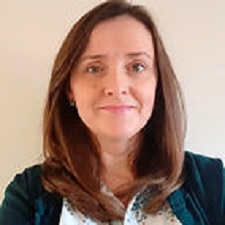
Sam Shard qualified as an Occupational Therapist in 2005 and worked with a range of neurological and developmental conditions in NHS Adult and Paediatric Services.
Sam has post graduate training in sensory integration (Levels 1, 2, & 3) and is working towards being an advanced practitioner. She also had additional training in sensory attachment. She offers assessment and treatment, EHCP level assessments, and has interests in autism and attachment difficulties.
Sam has wide experience assessing and writing reports for EHCP and can provide expert witness services at tribunal. Sam@thelocaltherapycompany.co.uk.
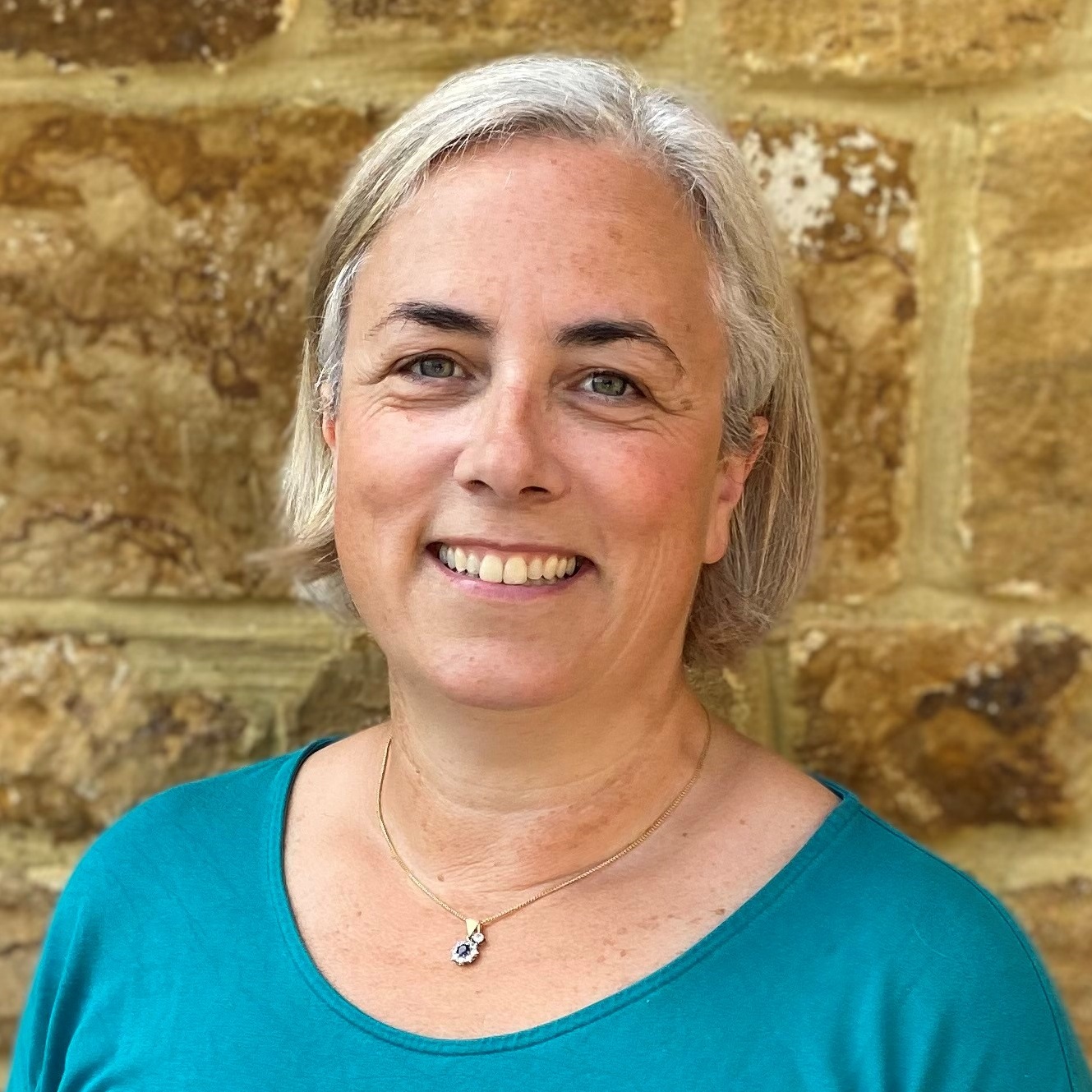
Jennifer Barrow qualified as an OT in 1991 from Trinity College, Dublin and on moving to England worked in NHS adult services. She made the move to children’s services while living and working on Guernsey in 2007. Jennifer is HCPC registered and is a member of the Royal College of Occupational Therapists.
Jennifer has worked in a range of specialist and mainstream school settings, on children’s wards in hospitals and in early years and early help clinics.
Jennifer works with children, parents and teachers to support participation in school through her work in mainstream and specialist schools. She has developed a role within schools helping to reframe behaviour, improving self-regulation and building resilience. She runs regular workshops and drop in sessions, hoping to encourage and promote the use of sensory strategies to enhance mental health, wellbeing and participation in everyday life.
Jennifer’s caseload is varied and has included children with ASD, ADHD, FragileX, CP, ABI, global developmental delay, dyslexia, DCD, epilepsy. Jennifer has a special interest in ASD, and in FragileX particularly in sensory processing and regulation.
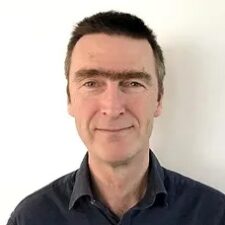
Dr Rorie Fulton is Founding Director of Autism Wellbeing – a small, neurodiverse team of professionals and clinicians united by a desire to find ways for autistic and non-autistic people to collaborate equitably and successfully. Rorie has a background in education, academic research and mental health advocacy. He has written or co-written (with Kate Richardson) a number of papers and learning resources on subjects including autism, effective communication, learning disabilities and advocacy. Rorie has completed training in Interoceptive Awareness, Attachment, Sensory Attachment Intervention and The Just Right State programme.
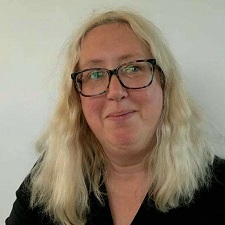
Emma Reardon is a Director of Autism Wellbeing. Her professional career spans 25 years within social care as a support worker, registered service manager, and in service development and commissioner relationships.
Emma has qualifications in community mental health, management, and counselling, and holds a MA in Professional Practice. Her current PhD research is about perceptions of autism held by Community Mental Health Teams.
Emma has written and delivered training throughout her career and has an engaging presentation style that challenges and encourages participants to see the world through other people’s perspectives. Most recently, Autism Wellbeing’s Sensory Trauma course was undertaken by Integrated Autism Service clinicians in Wales. Emma is passionate about mixing her professional and lived experience of autism in her guest lectures, presentations and workshops to create spaces where people have opportunities to share, connect, and find common ground. She can also offer environmental sensory assessments of workplaces, schools, and care services, and workplace mentoring.
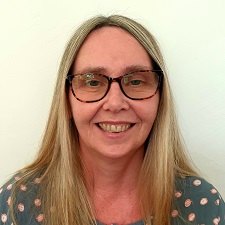
Dr Elizabeth Shea is a Consultant Clinical Psychologist who has worked with children, young people and adults with restricted eating for more than two decades.
Previously a Primary School Teacher and a Counsellor with Childline UK, she started her psychology career with the National Autistic Society where she developed a career-long interest in eating difficulties in autism.
Elizabeth’s clinical and research interest is avoidant and restrictive eating in both autistic and neuro-typical populations and she is a recognised writer, trainer and speaker on this subject across the UK and Ireland. In particular, she has developed specialist interventions which have featured on national TV and in many publications including a co-authored book.
Elizabeth has worked closely with national autism charities to produce a series of films, interviews and articles on eating problems and regularly trains parents and professionals about how to manage eating issues.
Elizabeth is currently the Clinical Lead for Neurodevelopmental services in a health trust in the West Midlands.
Within 24 hours of your booking, you will receive an email containing personal login details to stream all of the recorded webinars and view the available presentation slides for a 30 day period.
If you don’t receive your login details, or have any difficulty accessing the webinars, please contact us at info@autismlearns.co.uk.
| Streaming Cost | £84.99 |