Understanding Pathological Demand Avoidance (PDA)
An online learning series
Stream all webinars for 30 days

Stream all webinars for 30 days
This online learning series will explore Pathological Demand Avoidance (PDA) – a profile on the autism spectrum characterised by an extreme avoidance of everyday demands and expectations. Those with a PDA profile can appear to have better social skills than other autistic people, and often use this ability to create distractions and excuses to mask their difficulties. They may also present as excessively controlling and dominating when feeling anxious.
With the condition often misunderstood and the usual autism approaches of structure and routine ineffective, how can we ensure that we’re meeting the specific needs of young people with a PDA profile at home and in education?
Our team of leading autism specialists will provide you with the knowledge and insights to answer this question.
Learnings include:
All content is CPD certified and a CPD Certificate of Attendance is available upon request.
| Session | Title | Speaker |
|---|---|---|
| 1.1 | The whats and hows of a PDA diagnosis and why it's important to get one | Libby Hill, Consultant Speech and Language Therapist at Small Talk Speech and Language Therapy |
| 1.2 | Developing EHCP’s for young people with a PDA profile - communication and interaction - cognition and learning - social, emotional and mental health - sensory and physical | Marguerite Haye, Neurodivergent Teacher and Consultant at The Big e |
| 1.3 | PDA and sleep | Sarah Stewart, Lead Trainer at the PDA Society and Owner and Director of Sarah Winyard Ltd and Julia Daunt, Blogger, Author, PDA Advocate, PDA Society trainer and Public Speaker |
| 1.4 | Simple strategies for supporting children and young people with PDA at school | Clare Truman, Trainer and Consultant at Spectrum Space Education |
| 1.5 | Internalised and externalised PDA | Sally Cat, Adult PDA Author, Illustrator and Blogger |

Libby Hill is a multi-award winning speech and language therapist who set up her organisation, Small Talk Speech and Language Therapy, to bridge the ever-widening gap between the increasing number of children with communication problems and the shortfall within the NHS.
Libby has worked with hundreds of children with PDA since she appeared as part of the Channel 4 series, Born Naughty. Libby works within the PDA community to conduct assessment and therapy for children and young people with PDA, EHCP and Tribunal support, Training on PDA for parents and staff.

Marguerite Haye is the Associate Editor of Special Educational Needs Jungle. She is a volunteer for IPSEA providing legally based advice to families and is a Trustee for the Charity Disability Direct as well as Raising Awareness Development Language Disorder (RADLD).
Marguerite uses her extensive experience to offer assessments of needs and 1:1 tutoring for children with special educational needs or disabilities.
Having worked in the education section for over 15 years as a SEND teacher and a Senior Leader, Marguerite can recognise individual learning abilities and uses her initiative to tailor learning programs to meet each child and young person’s needs.
Marguerite has experience teaching children of all ages with different needs such as Fragile X, Autism, PDA, ADHD, Dyslexia, Down Syndrome, significant and moderate complex needs.
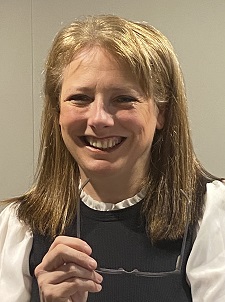
Sarah Stewart has worked for the PDA Society for almost four years, initially as a volunteer on the enquiry line and now as Lead Trainer. Her personal connection with PDA is through one of her sons who is PDA autistic.
Sarah is passionate about raising awareness of PDA and supporting those who care for and work with PDA people.
Sarah also runs her own learning and development company and loves spending time outdoors walking her dogs.
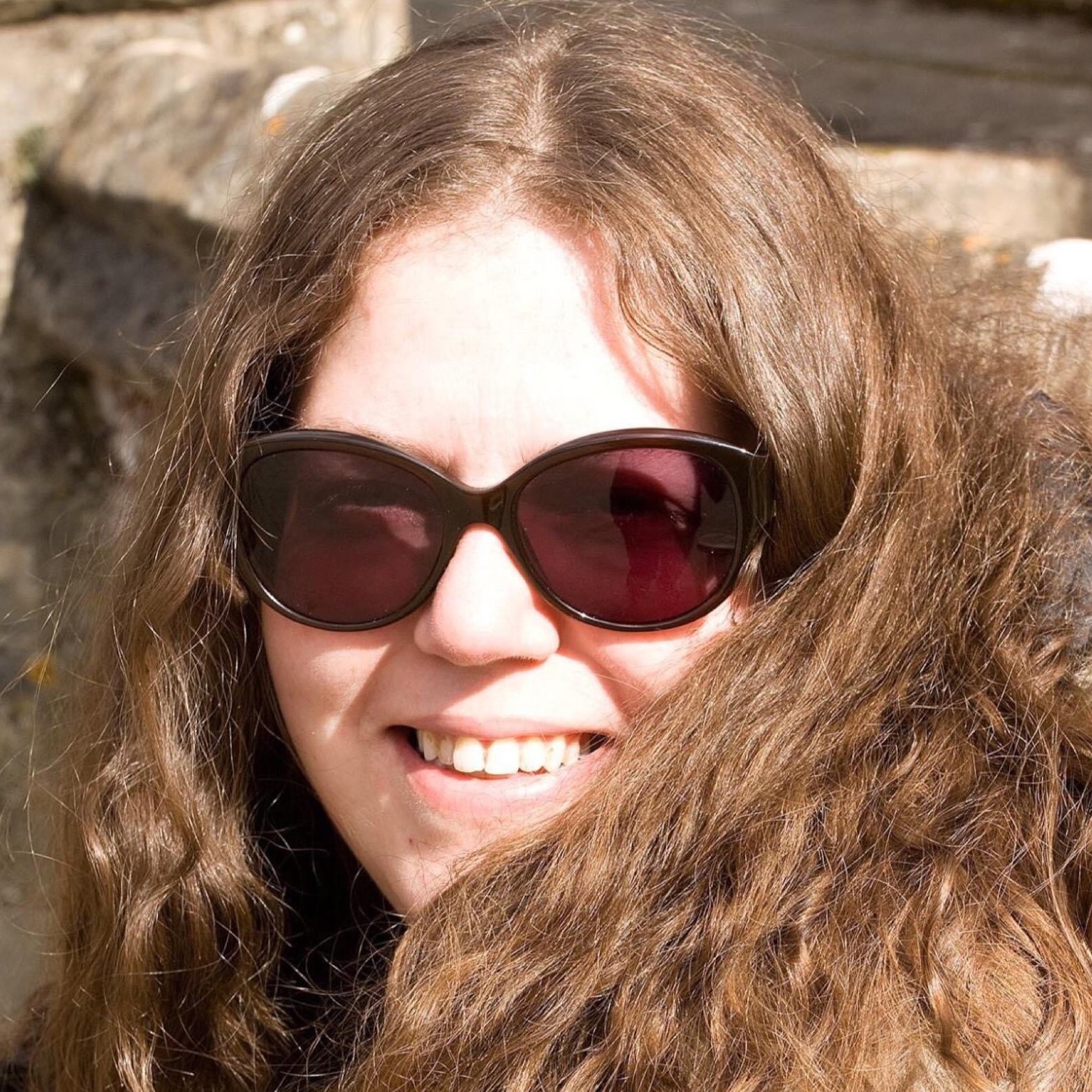
Julia Daunt is 38 years old and has a diagnoses of PDA, ADHD and psychotic episodes. She lives in Nottinghamshire with her partner of 17 years, Paul, and their two elderly cats. She is a blogger, keen crafter and advocates for better awareness and understanding of PDA.
Julia’s first book was published this year, entitled “Being Julia”, and covers her PDA journey.
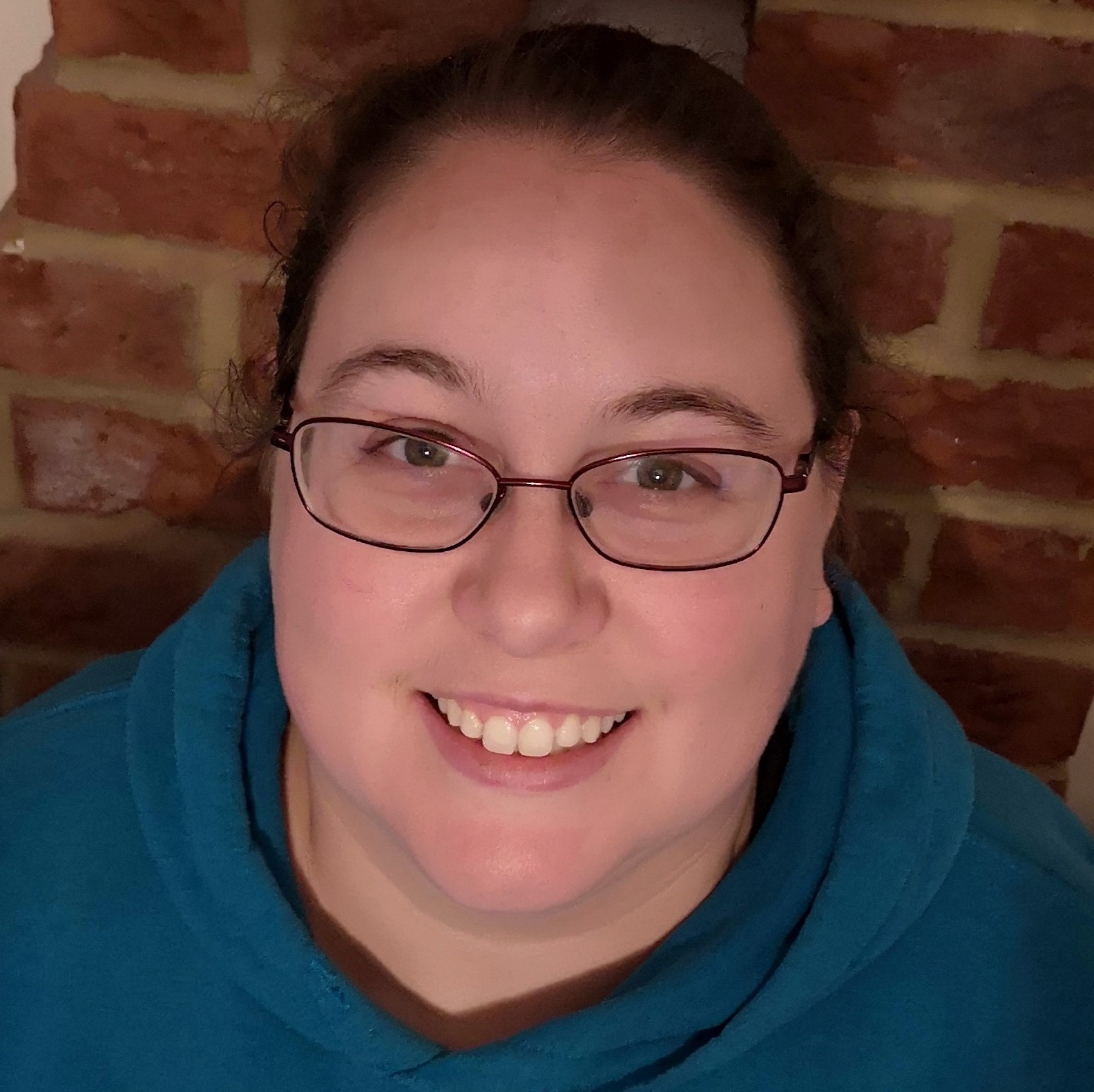
Clare Truman is a teacher, research student and big sister to an autistic young man.
She was director of Spectrum Space Community Interest Company, an educational provider for students with PDA in Surrey until 2019. She now provides distance learning packages for students with PDA who find it difficult to access school as well as providing PDA training to professionals and parents. Both in teaching and research her main interest is supporting those children whose PDA makes it difficult to access education.
Clare’s book, “The Teacher’s Introduction to Pathological Demand Avoidance: Essential Strategies for the Classroom” is published by Jessica Kingsley and available now.
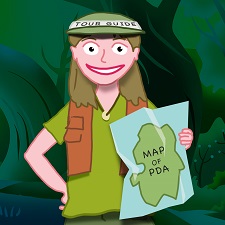
Sally Cat is an adult PDAer author, illustrator, peer researcher, public speaker and animator, as well as the mum of an eleven-year-old PDA girl. She publishes illustrative memes describing PDA on her Facebook page.
Sally is the author of five books about PDA and associated conditions: PDA by PDAers (about adult PDA), Pathological Demand Avoidance Explained (PDA described through 75 illustrations), Calendar Girl (a mini childhood memoir), Sleep Misfits (about circadian sleep disorders), and Stella Noctella (a rhymed children’s story describing delayed sleep phase syndrome).
Within 24 hours of your booking, you will receive an email containing personal login details to stream all of the recorded webinars and view the available presentation slides for a 30 day period.
If you don’t receive your login details, or have any difficulty accessing the webinars, please contact us at info@autismlearns.co.uk.
| Streaming Cost | £84.99 |
| Session | Title | Speaker |
|---|---|---|
| 2.1 | Having courage: following your inner guidance to discover what is and isn't right for your family | Rebecca Huseyin, Writer of the blog "A Boy Less Ordinary" and Parent |
| 2.2 | Helping your PDAer when they don’t want help - strategies for supporting your PDA child or young person at home | Tigger Pritchard, Neurodivergent Advocate, Consultant and Trainer at Tigger Training |
| 2.3 | PDA and masking | Julia Daunt, Blogger, Author, PDA Advocate, PDA Society trainer and Public Speaker |
| 2.4 | PDA and anxiety | Lynn McCann, Autism and PDA Specialist Teacher, Trainer, Author and Owner of Reachout ASC |
| 2.5 | Tips for surviving Christmas with PDA children | Danielle Jata-Hall, Blogger, Author, PDA Advocate, PDA Society Trainer and Public Speaker |
| 2.6 | You are not alone: feeling isolated as a SEND parent or carer | Duncan Casburn, aka PDA Dad UK |
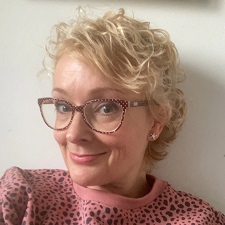
Rebecca Huseyin is mother to a remarkable ten year old autistic boy, JJ, who fits the PDA profile of autism. Rebecca and her family live in a coastal town in Dorset, in the south-west of England with JJ’s dad and their dog, Peanut.
Rebecca is passionate about autism and PDA and always tries to be an advocate for neurodiverse people. Rebecca’s blog, A Boy Less Ordinary, is a window on her bumpy journey as a parent, as she helps JJ navigate his own path by adapting their family life and expectations, empowering herself with knowledge and trying to redefine her understanding of parenting.
Rebecca was shortlisted for the BAPS SEND Bloggers Best Newcomer award in 2021, and is listed as a trusted resource on the PDA Society website.
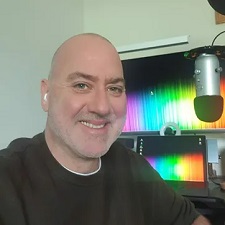
Tigger Pritchard is awesomely neurodivergent. He is an autistic and pathological demand avoidance, advocate, consultant and trainer based in Cornwall.
Tigger has over thirty five years of professional and personal experience of working alongside, learning from and advocating for neurodivergent individuals. Tigger has done this in many different ways: support worker, advocate, teacher, facilitator, trainer, manager, lecturer and friend. Plus he has a lifetime of autistic experience which he is still exploring.
Tigger’s focus is raising understanding and acceptance of neurodiversity; accepting people for who they are and not trying to fit them into any “neurotypical box” and understanding that one size does not fit all.
Using his extensive experience, knowledge, teaching practice and personal insight, Tigger passes on his skills through training and consultancy work both face to face and online by supporting individuals, families, corporate organisations and educational settings on a consultancy basis.
Julia Daunt is 38 years old and has a diagnoses of PDA, ADHD and psychotic episodes. She lives in Nottinghamshire with her partner of 17 years, Paul, and their two elderly cats. She is a blogger, keen crafter and advocates for better awareness and understanding of PDA.
Julia’s first book was published this year, entitled “Being Julia”, and covers her PDA journey.
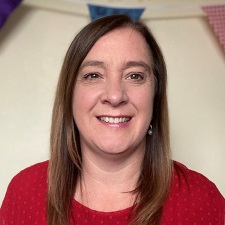
Lynn McCann is an autism specialist teacher based at Reachout ASC in Lancashire. She and her team work in education to build support programmes for individual autistic pupils and provide training across the UK in all aspects of support for autistic children and young people. They are committed to sharing the voices of their young people to help others understand autism from their perspective.
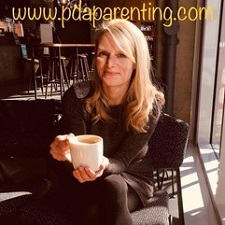
Danielle Jata-Hall is a parent of three neurodivergent children – she is also a children’s author and a blog writer at www.pdaparenting.com. She has worked in education supporting many children with SEND and has run a support group for other parents. She is a public speaker, PDA advocate and an online campaigner. With the support of her local MP, Danielle has succeeded in tabling an early day motion to get the PDA profile more nationally recognised.

Duncan Casburn is father to a beautiful autistic and pathological demand avoidance (PDA) daughter.
Duncan runs a Facebook group (www.facebook.com/groups/ukaspsg) and is a Carer’s Ambassador for Devon Carers. He is an Ambassador Volunteer for DiAS and also an Ambassador for the PDA Society.
Duncan’s Podcast, PDA Dad UK, is very personal. Duncan is very open about both the joys and challenges of life with a neurodiverse family.
Within 24 hours of your booking, you will receive an email containing personal login details to stream all of the recorded webinars and view the available presentation slides for a 30 day period.
If you don’t receive your login details, or have any difficulty accessing the webinars, please contact us at info@autismlearns.co.uk.
| Streaming Cost | £84.99 |