Understanding & Managing Distressed Behaviour
An online learning series
Stream all webinars for 30 days

Stream all webinars for 30 days
In partnership with 
This online learning series has been designed to help you understand and manage distressed behaviour in autistic children and adults. We’ll explore destructive behaviours (throwing objects or breaking property), self injury (head banging or hand biting) and hurting others (hitting, kicking or hair pulling), and how home and school can work together using a Quality of Life (QoL) approach for the betterment of autistic young people and their families. We’ll also address the challenges created by Covid and offer strategies which can make a positive difference.
Learnings include:
All content is CPD certified and a CPD Certificate of Attendance is available upon request.
| Session | Title | Speaker |
|---|---|---|
| 1.1 | Taking a wider perspective. Using a Quality of Life (QoL) approach to look beyond distressed behaviour and really listen to the things that matter to young people and their families - before, during and after lockdown | Kiran Hingorani, CEO of Swalcliffe Park School |
| 1.2 | What’s really going on here? An insider’s view on understanding autism and the common causes of distressed behaviour | Robyn Steward, Consultant, Trainer, Researcher and Author |
| 1.3 | What’s sensory got to do with it? Identifying how sensory issues may cause certain behaviours and finding ways to minimise triggers | Joy Beaney, Independent Trainer and Consultant, and Founder of Autism Train. Author of Autism Through a Sensory Lens: Sensory Assessment and Strategies |
| 1.4 | Understanding the impact of stress and arousal on behaviour: how to use low arousal approaches to reduce distressed behaviour | Professor Andy McDonnell, Clinical Psychologist and Director of Studio III |
| 1.5 | Common behavioural challenges and strategies to use during the pandemic at home and school | Leslie-Ann F Beary, Autism Specialist and Family Support Consultant at The Owl Therapy Centre |
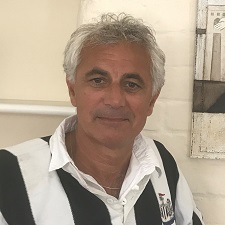
Kiran Hingorani joined Swalcliffe Park School in May 2011 as Principal and more recently has moved into the position of CEO for the organisation.
As part of a team of colleagues at school, he has developed the ‘Quality of Life’ framework for use in school and established the QoL’ network which has been set up to support schools, colleges and other organisations implement the framework within their setting. Over the past few years he has been delighted to share this work at a number of national and international conferences with a specific focus on the inclusion of families within the framework.
As a lifelong Newcastle United fan he feels his ‘Quality of Life’ is compromised on a regular basis, but over the years has developed the resilience and a range of strategies to cope with this!
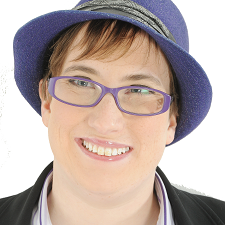
Robyn Steward is autistic and has been delivering training internationally for over 15 years. Robyn has also had three books published covering safety, periods and self employment. She is co-host of the BBC sounds podcast “1800 Seconds on Autism”.
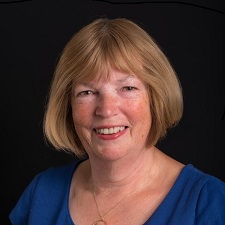
Joy Beaney MA has many years’ teaching experience in both mainstream and special education. During her career, she has been an Assistant Head at a special school and manager of an Inclusion Support Service that provided training and outreach support for staff in mainstream schools.
Joy set up Autism Train, which provides consultancy and training to support individuals and organisations to make the world a more autism-friendly place.
Joy also lectures at Brighton University delivering their Postgraduate Certificate in Autism and has written a number of books including “Autism through a Sensory Lens”, “Autism in the Primary Classroom”, and “Creating Autism Champions”.
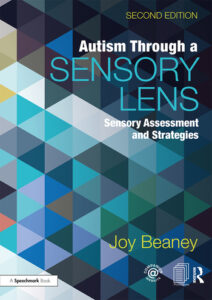 “Autism through a Sensory Lens” is an easy to use resource which introduces the sensory differences autistic children may face, and explores how these differences can affect their ability to make sense of the world. It highlights the possible link between behaviours that challenge and sensory difficulties for autistic children and provides practical resources, helping parents, carers and practitioners to gain a greater understanding of sensory differences.
It includes an online assessment with accompanying aids to create a visual representation of the child’s sensory needs. This practical guide offers both a wealth of enjoyable activities for sensory exploration and play whilst also providing suggestions for strategies and ideas that can be used at home or in school to create an autism friendly environment.
“This book is easy to read, gives guidance to parents and practical examples/strategies – a must read for any parent of an autistic child”.
Jackie Powell, parent and Makaton tutor.
“The world we all share is overwhelming and at times, underwhelming for some! This book beautifully illustrates how to aid connection for these scenarios, both with the external world and the inner world of interoception. Building connection so emotional regulation can occur is the only way to build healthy and happy individuals”.
Dr Wenn Lawson, Autistic adult, psychologist and author.
To find out more and to purchase Joy’s book visit www.routledge.com.
Enter the code FLR40 and receive a 20% discount.
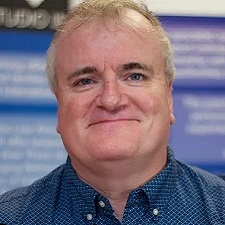
Professor Andrew McDonnell is Consultant Clinical Psychologist to, and Director of, Studio III Clinical Services and also Director, Clinical Consultant and Team Leader to Studio III Training. Andrew formerly worked as Clinical Psychologist to Monyhull Hospital Birmingham and has particular interest in the design of community settings for people who challenge. He has extensive experience of working with service users with a learning disability and/or an ASD who self harm.

Leslie-Ann F. Beary is an Autism Specialist and Family Consultant at The Owl Centre. Leslie-Ann holds a BA degree in Early Childhood Studies from the University of Plymouth and a Masters in Special and Inclusive Education from the Institute of Education, University College London. Leslie-Ann’s experience of working with children and young people with autism, and their families spans over nine years. For the last six years she has worked for The National Autistic Society in a variety of roles with the most recent as Autism Lead within a specialist autism school. Leslie-Ann adopts an eclectic style incorporating numerous evidence based interventions such as the Picture Exchange Communication System (PECS) and Makaton. She utalises a child-centric approach and in turn provides tailored strategies and support for the children and families that she works with.
Within 24 hours of your booking, you will receive an email containing personal login details to stream all of the recorded webinars and view the available presentation slides for a 30 day period.
If you don’t receive your login details, or have any difficulty accessing the webinars, please contact us at info@autismlearns.co.uk.
Swalcliffe Park School
Swalcliffe Park is a residential and day school for boys aged 10-19 yrs on the autism spectrum. We provide up to 70 places for young people from over 20 Local Authorities. The school is non-maintained and operates as a Charitable Incorporated Organisation (CIO).
We believe that different thinking is needed to improve the lives of our students and their families. So, we take a Quality of Life (QoL) approach to our work and this drives everything we do. We want all students to be happy healthy and empowered young people, so we ask them about what matters to them, what makes them happy and what they would like to do with their lives. We listen to what they tell us and we support them to achieve their personal goals.
We also think it is important to work closely with families. So, we ask them about the impact of autism on family life, about what they would like to do but currently can’t and about what is important to them. We listen to what they tell us and try to find ways to help.
We know that working together in this way leads to brighter futures and a better QoL for our students and for their families. This is why we do what we do.
We are proud to have been awarded ‘Advanced Level’ Autism Accreditation and an ‘Enhanced Practitioner’ Commendation for our QoL work. We are now being asked to share our work in a number of ways. We are presenting at national and international conferences and we have created a QoL network for other schools, colleges and organisations to join us in developing this approach.
If you would like to know more about the school and our ‘Quality of Life’ framework please have a look at our website at www.swalcliffepark.co.uk, email admin@swalcliffepark.co.uk or give us a call on 01295 780302.
| Streaming Cost | £84.99 |
| Session | Title | Speaker |
|---|---|---|
| 2.1 | Now let’s do something about it! How can schools support students and families on a practical level to improve their wellbeing and reduce distress? | Kiran Hingorani, CEO of Swalcliffe Park School |
| 2.2 | Working effectively together - practical tips for parents and teachers to cope with home schooling during the pandemic | Charlotte Spencer, Family Support Worker at Queensmill School |
| 2.3 | Helping autistic children to cope with anxiety and other mental health issues in these uncertain times | Frances O’Neill, Autism Trainer and Advisor at Middletown Centre for Autism |
| 2.4 | Creating visual timetables for autistic children | Richard Nurse, Founder of Picturepath |
| 2.5 | Strategies to address communication challenges: helping children to express their needs and wants | Nicola Lathey, Speech and Language Therapist and Founder of the Owl Therapy Centre |
| 2.6 | It’s not a tantrum: recognising distress, meltdown and shutdown and what you can do to help and avoid them happening | Lynn McCann, Specialist Teacher, Trainer and Author at Reachout ASC |
| 2.7 | Taking care of yourself: strategies to recover effectively from emotional exhaustion and stress during lockdown | Kate Laird, City Mental Health Alliance and Webinar Manager at Autism Learns |
Kiran Hingorani joined Swalcliffe Park School in May 2011 as Principal and more recently has moved into the position of CEO for the organisation.
As part of a team of colleagues at school, he has developed the ‘Quality of Life’ framework for use in school and established the QoL’ network which has been set up to support schools, colleges and other organisations implement the framework within their setting. Over the past few years he has been delighted to share this work at a number of national and international conferences with a specific focus on the inclusion of families within the framework.
As a lifelong Newcastle United fan he feels his ‘Quality of Life’ is compromised on a regular basis, but over the years has developed the resilience and a range of strategies to cope with this!
Charlotte Spencer is the Lead Family Support Practitioner at Queensmill School for children and young people with complex and severe autism. Charlotte has supported families in this role for seven years.
During her fifteen years at Queensmill School she obtained her HLTA qualification and, most recently, her postgraduate certificate in Autism in which she undertook research into teacher’s knowledge of meeting pupil’s sensory needs within the classroom. Charlotte has also gained a BA Honors in Teaching and Learning, researching the effects of weighted vests and their impact on pupil’s engagement and arousal. Additionally she has undertaken extensive CPD training in PECS, TEACCH, Team Teach, SCERTS, Rebound Therapy, Sensory Integration, and Intensive Interaction. She is a qualified sleep practitioner and runs a support group for siblings of the students at Queensmill School.
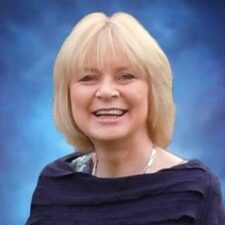
Frances O’Neill is an Autism Trainer and Advisor in Middletown Centre for Autism. Frances has worked in Special, Post Primary and Further Education settings. She holds Post Graduate Certificates and Diplomas in Education and an MSc in Autism.

Richard Nurse is a down-to-earth dad, successful sales advisor, and founder of picturepath, the app which helps children with special educational needs visualise a timeline of their daily activities.

Nicola Lathey is one of the top Speech and Language Therapists in the UK. She is the author of the prize-winning and best-selling book, Small Talk (Macmillan), and has also written a series of children’s books, underpinned by Speech and Language Therapy principles, published by Campbell books (also part of Pan Macmillan).
Nicola has spoken about Speech and Language development in children on national television, such as BBC breakfast and national and international radio, including Woman’s Hour BBC Radio 4. She has also featured in newspapers and magazines across the world. She has given lectures at the request of universities, charities, and businesses in the UK, and in 2014 spoke alongside Professor Sir Robert Winston at The Baby Show in Birmingham’s NEC arena.
Nicola’s decision to train as a Speech and Language Therapist centred on the fact that she has a younger brother with Down’s Syndrome, who needed Speech and Language Therapy support when he was young. She therefore has direct personal experience of the effects which speech and language problems can have on children and on their families.
She qualified as a Speech and Language Therapist in 1999, graduating from University College London, and worked for the NHS and abroad from then until 2011 when she set up the first Owl Centre in Oxford – in part because she was asked by so many parents if she carried out private work.
Nicola is a member of ASLTIP (Association of Speech and Language Therapists in Independent Practice), the Royal College of Speech and Language Therapists, and the Health Professional Council.
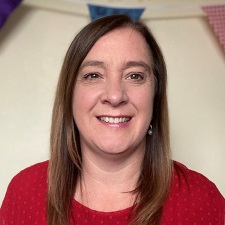
Lynn McCann is an autism specialist teacher based at Reachout ASC in Lancashire. She and her team work in education to build support programmes for individual autistic pupils and provide training across the UK in all aspects of support for autistic children and young people. They are committed to sharing the voices of their young people to help others understand autism from their perspective.
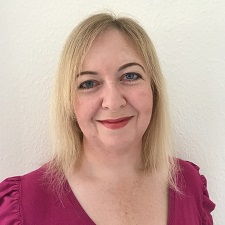
Kate Laird worked for the National Autistic Society as Head of Conferences and Events for 10 years before leaving to become an independent consultant. Kate now splits her time between various projects, including developing the Autism Learns programmes and working with the City Mental Health Alliance, where she delivers training around mental health awareness and understanding in the workplace.
Within 24 hours of your booking, you will receive an email containing personal login details to stream all of the recorded webinars and view the available presentation slides for a 30 day period.
If you don’t receive your login details, or have any difficulty accessing the webinars, please contact us at info@autismlearns.co.uk.
Swalcliffe Park School
Swalcliffe Park is a residential and day school for boys aged 10-19 yrs on the autism spectrum. We provide up to 70 places for young people from over 20 Local Authorities. The school is non-maintained and operates as a Charitable Incorporated Organisation (CIO).
We believe that different thinking is needed to improve the lives of our students and their families. So, we take a Quality of Life (QoL) approach to our work and this drives everything we do. We want all students to be happy healthy and empowered young people, so we ask them about what matters to them, what makes them happy and what they would like to do with their lives. We listen to what they tell us and we support them to achieve their personal goals.
We also think it is important to work closely with families. So, we ask them about the impact of autism on family life, about what they would like to do but currently can’t and about what is important to them. We listen to what they tell us and try to find ways to help.
We know that working together in this way leads to brighter futures and a better QoL for our students and for their families. This is why we do what we do.
We are proud to have been awarded ‘Advanced Level’ Autism Accreditation and an ‘Enhanced Practitioner’ Commendation for our QoL work. We are now being asked to share our work in a number of ways. We are presenting at national and international conferences and we have created a QoL network for other schools, colleges and organisations to join us in developing this approach.
If you would like to know more about the school and our ‘Quality of Life’ framework please have a look at our website at www.swalcliffepark.co.uk, email admin@swalcliffepark.co.uk or give us a call on 01295 780302.
| Streaming Cost | £84.99 |