
Managing Anxiety, Burnout & Mental Health
An online learning series: 13 – 14 November 2026
Watch live and/or stream recordings of all webinars for 30 days

Watch live and/or stream recordings of all webinars for 30 days
In this new online learning series, our team of leading autism professionals will explore the complex relationship between autism, anxiety, burnout and mental health. From emotionally based school avoidance (EBSA) and performance anxiety to sleep difficulties, restricted eating and autistic burnout, our speakers will examine why everyday demands can become overwhelming and how you can better recognise and respond to distress.
Whether you are a parent, family carer, or professional, this two day webinar will provide you with the practical tools and knowledge to successfully support autistic people in a school or home environment.
Learnings include:
Book the two day series now for just £59.99 for parents and family carers, and £89.99 for professionals. Content is CPD certified. Choose to watch live and/or stream the webinar recordings over 30 days. Price includes downloadable presentation slides when available.
| Time | Title | Speaker |
|---|---|---|
| 10.00 - 10.10 | Welcome | Kate Laird, Webinar Manager at Autism Learns |
| 10.10 - 11.00 | When school feels impossible: Understanding the role of anxiety and burnout in Emotionally Based School Avoidance (EBSA) | Dr Joanne Riordan, Chartered Independent Educational Psychologist |
| 11.00 - 11.50 | Attention, arousal, and anxiety : the triple-A approach to creating classrooms that support engagement and wellbeing | Dr Mary Hanley, Professor in the Department of Psychology at Durham University |
| 11.50 - 12.10 | Interval | |
| 12.10 - 13.00 | Recognising and supporting mental health in autistic people who speak few or no words | Dr Jane Waite, Reader in Psychology at Aston University and Co-Lead of the Cerebra Network |
| 13.00 - 13.40 | Lunch | |
| 13.40 - 14.30 | “They’re fine at school”: understanding the child we don’t always see | Kate Grayson, Managing Director at Therapeeze: The InnerMe Project |
| 14.30 - 15.20 | The link between neurodivergent teens and substance use | Nakisa Alexis Kendall, Psychologist at Solina Solidarité Jeunes (Service IMPULS) |
| 15.20 - 15.30 | Closing remarks and end of day two | Kate Laird, Webinar Manager at Autism Learns |

Dr Joanne Riordan is an Independent Educational Psychologist based in Oxfordshire. She supports the learning, emotional, social, and sensory development of young people up until the age of 18 years old. She typically works with individual families and schools and offers both face to face and remote services. She was previously a teacher and is a mum in a neurodiverse family.
Joanne specialises in neurodiversity, and focuses on promoting enabling environments at school and home that cater to the young person’s unique strengths and difficulties. She possesses specialist knowledge of autism, ADHD, dyspraxia/DCD, dyslexia, sensory processing differences, and PDA.
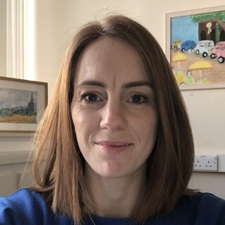
Dr Mary Hanley is a Professor of Developmental Psychology in the Department of Psychology at Durham University and co-Director of the Centre for Neurodiversity and Development.
Mary is especially interested in how challenges with attention, sensory arousal and anxiety interact with each other and impact on engaging and learning at school. Over the last number of years, she has led the ‘Triple-A’ programme which is focused on translating research evidence to practice within education, to change practice and benefit neurodivergent children and young people. For this work, she received the British Psychological Society Development Section Award for Impact and Engagement in 2024.
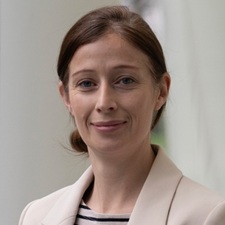
Dr Jane Waite is a Clinical Psychologist and Reader in Psychology at Aston University. She specialises in understanding and supporting mental health in children and adults with intellectual disability, particularly autistic people and those with rare genetic conditions who communicate using few or no spoken words.
Jane’s research focuses on improving the recognition of anxiety and other mental health difficulties, and developing effective approaches to support people whose needs are often overlooked. She is Chief Investigator of LADDERS, an NIHR-funded clinical trial evaluating a parent-mediated intervention for anxiety in children with moderate to severe intellectual disability.
Alongside her research, Jane works clinically with children and families. She is passionate about translating research into practical approaches that help families and professionals better recognise, understand and respond to emotional distress.
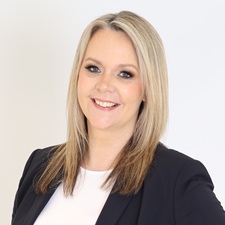
Kate Grayson is the founder and director of The InnerMe Project, delivering specialist consultancy and training to services across the UK. She is a Sensory and Behaviour Specialist with over 19 years’ experience supporting children, families and the systems around them where life is complex.
Kate has worked extensively across education, social care and family support services, supporting children experiencing trauma, neurodivergence, burnout and high levels of distress, alongside the professionals responsible for managing risk, safety and outcomes in high-pressure environments.
She brings clinical expertise combined with system-level insight to her consultancy and training. Kate understands the cumulative impact of emotional load, decision fatigue and relational stress on professional practice and recognises that burnout is rarely the result of insufficient skill or commitment, but of prolonged exposure to dysregulating systems without adequate regulatory support.
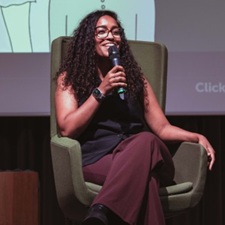
Nakisa Alexis Kendall is a Clinical Neuropsychologist and Cognitive Behavioural Therapist at Service IMPULS in Luxembourg. Service IMPULS offers, within the framework of youth protection, psychosocial and therapeutic assistance to young people, their families and the institutions concerned when they are confronted with the consumption of legal and illegal substances by a young person under the age of 21 years old.
Timings
| Day | Times |
|---|---|
| Fri 13th November 2026 | 10.00am - 3.30pm |
Advance Ticket Prices
| Ticket Type | Price |
|---|---|
| Parent/Family Carer | £59.99 |
| Professional | £89.99 |
| Professional Groups (10 tickets or more) | £69.99 |
We will send you an email containing joining details on the Monday preceding the start of the webinars. For bookings thereafter, we will email you the same day. Our webinars are live streamed on Zoom.
In order to watch the webinars, you will need the following:
Simply click on the link we send you to join the webinars. If you do not already have Zoom downloaded on your device, you will be prompted to download the free software and set up an account – this should only take two minutes to complete.
Please try and join the webinars a few minutes early in order to allow time for the Zoom download if necessary, and to be ready for the first session.
Alternatively you may wish to watch the webinars when it’s most convenient to you. If so, we will email you details on how to access video recordings of all webinars in the series, by the Friday of the week following the event. You will have 30 days to watch them.
If you don’t receive a booking confirmation or joining email from us, or generally have difficulties logging into the webinars, please contact us at info@autismlearns.co.uk.
Ticket holders will gain 30 day access (until 20th Dec 2026) to video recordings of all presentations in the series, plus available presentation slides and Q&A transcripts, by CLICKING HERE and entering the password provided by us the week following this event.
Professional ticket holders will also receive a CPD Certificate of Attendance by email.
| Time | Title | Speaker |
|---|---|---|
| 10.00 - 10.10 | Welcome | Kate Laird, Webinar Manager at Autism Learns |
| 10.10 - 11.00 | Homework, exams and perfectionism: reducing performance anxiety | Speaker to be announced |
| 11.00 - 11.50 | Beyond the diagnosis: autism, shame and mental health | Dr Mary Doherty, Clinical Associate Professor in the UCD School of Medicine at University College Dublin |
| 11.50 - 12.10 | Interval | |
| 12.10 - 13.00 | Sleep, anxiety and the autistic brain: breaking the bedtime spiral | Christine Eland, Sleep Counsellor and Lecturer at Sleep Action (formerly Sleep Scotland) |
| 13.00 - 13.40 | Lunch | |
| 13.40 - 14.30 | Burnout and exhaustion: when “coping” has gone too far | Viv Dawes, Autistic Advocate, Trainer, Consultant and Author |
| 14.30 - 15.20 | Food, anxiety and restricted eating | Dr Elizabeth Evans, Professor of Behavioural Science at Durham University |
| 15.20 - 15.30 | Closing remarks and end of day two | Kate Laird, Webinar Manager at Autism Learns |
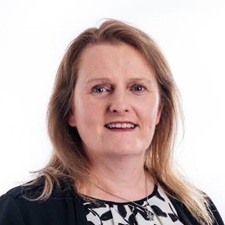
Dr Mary Doherty is a Clinical Associate Professor at University College Dublin School of Medicine and a Consultant Anaesthesiologist based in Ireland.
As founder of Autistic Doctors International, Mary has brought together a vibrant community of over 1,200 autistic medical doctors from across the world, with a focus on peer support, advocacy, research, and training.
Her research interests include healthcare for autistic people as well as experiences and support needs of autistic medical students and doctors. She developed the Autistic SPACE framework for meeting the needs of autistic people in healthcare settings.
As the mother of 2 neurodivergent young people, Mary is passionate about optimising mental and physical health for autistic people, and she believes that moving from traditional deficit framing of autism to a neurodiversity affirmative approach is the way forward.
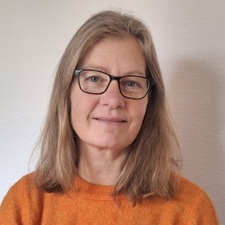
Christine Eland is a sleep counsellor at Sleep Action, the Scottish sleep charity, where she provides individualised support to parents and carers of children with additional support needs. She also lectures on the Accredited Sleep Counselling Programme.
With over 20 years experience supporting families, Christine has delivered workshops on parenting, behaviour, resilience and sleep, and led individualised early intervention programmes for neurodivergent children and their parents and carers.
With a background in education and further studies in autism, Christine is passionate about helping families understand the vital role sleep plays in children’s wellbeing and development. She supports families to explore the importance of consistent sleep routines, good sleep hygiene and practical, personalised strategies to help their child sleep better.
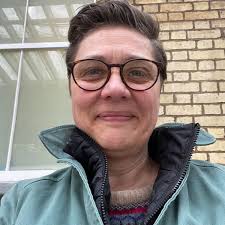
Viv Dawes is a late-identified and diagnosed autistic (PDA) and ADHD lived experience advocate, consultant, author and trainer. Viv is also the parent of a neurodivergent teenager.
Viv has 30 years experience of working with vulnerable young people and adults. For six years Viv was an NHS Senior Practitioner, managing teams of forensic drug workers in women’s prisons and started and ran their own community addiction recovery programme. Most of the people Viv worked with and supported were neurodivergent.

Dr Elizabeth Evans is an Associate Professor of Behavioural Science at the Department of Psychology at Durham University. She completed her PhD studies at Durham University in 2013. She previously worked at Newcastle University, first at the Population Health Sciences Institute (2013–17) and then as a lecturer in the School of Psychology (2017–21).
Elizabeth’s research interest focuses on the psychology of eating and weight. She is particularly interested in understanding changes in eating behaviours, body image, and concomitant psychological factors with a view to intervention development.
Timings
| Day | Times |
|---|---|
| Sat 14th November 2026 | 10.00am - 3.30pm |
Advance Ticket Prices
| Ticket Type | Price |
|---|---|
| Parent/Family Carer | £59.99 |
| Professional | £89.99 |
| Professional Groups (10 tickets or more) | £69.99 |
We will send you an email containing joining details on the Monday preceding the start of the webinars. For bookings thereafter, we will email you the same day. Our webinars are live streamed on Zoom.
In order to watch the webinars, you will need the following:
Simply click on the link we send you to join the webinars. If you do not already have Zoom downloaded on your device, you will be prompted to download the free software and set up an account – this should only take two minutes to complete.
Please try and join the webinars a few minutes early in order to allow time for the Zoom download if necessary, and to be ready for the first session.
Alternatively you may wish to watch the webinars when it’s most convenient to you. If so, we will email you details on how to access video recordings of all webinars in the series, by the Friday of the week following the event. You will have 30 days to watch them.
If you don’t receive a booking confirmation or joining email from us, or generally have difficulties logging into the webinars, please contact us at info@autismlearns.co.uk.
Ticket holders will gain 30 day access (until 20th Dec 2026) to video recordings of all presentations in the series, plus available presentation slides and Q&A transcripts, by CLICKING HERE and entering the password provided by us the week following this event.
Professional ticket holders will also receive a CPD Certificate of Attendance by email.
Book the two day series now for just £59.99 for parents and family carers, and £89.99 for professionals. Content is CPD certified. Choose to watch live and/or stream the webinar recordings over 30 days. Price includes downloadable presentation slides when available.