Understanding Pathological Demand Avoidance (PDA)
An online learning series
Stream all presentations for 30 days

Stream all presentations for 30 days
In this new online learning series, our team of leading autism specialists will explore the often misunderstood, Pathological Demand Avoidance (PDA) – a profile on the autism spectrum characterised by an extreme avoidance of everyday demands and expectations. Those with a PDA profile can appear to have better social skills than other autistic people, and often use this ability to create distractions and excuses to mask their difficulties. They may also present as excessively controlling and dominating when feeling anxious.
Speakers will unpack why traditional strategies based on structure and routine are often ineffective, and provide alternative, practical approaches, which can make a real difference at home or in the classroom. The focus being on reducing pressure, building trust, and creating environments where PDA children and adults feel safe to engage. You’ll hear from neurodivergent practitioners, educators and clinicians, combining professional insight with lived experience.
Learnings include:
All content is CPD certified for professionals and a CPD Certificate of Attendance is available upon request.
| Session | Title | Speaker |
|---|---|---|
| 1.1 | What do we mean by Pathological Demand Avoidance? | Sarah Stewart, Lead Trainer at the PDA Society |
| 1.2 | Anxiety, threat response and the demand-avoidant profile | Tigger Pritchard, Neurodivergent Advocate, Consultant and Trainer |
| 1.3 | PDA in education – why traditional systems often fail | Beth Kitchen, Founder and Lead Trainer at B-Sensory |
| 1.4 | PDA, behaviour and emotional regulation | Eliza Fricker, Founder of Missing the Mark, and Sunday Times Bestselling Author of Can’t Not Won’t |
| 1.5 | Stealth teaching methods for very strongly avoidant learners | Zoe Austin, Neurodivergent Teacher and Consultant |
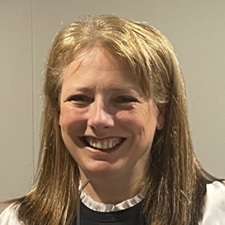
Sarah Stewart is Lead Trainer at the PDA Society, delivering training to raise awareness of Pathological Demand Avoidance. Sarah has lived experience of PDA having cared for both PDA children and adults. She is passionate about helping those who may care for, work with or support PDA’ers to understand this less well known profile of the autism spectrum.
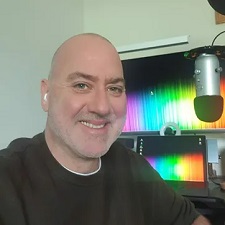
Tigger Pritchard is awesomely neurodivergent. He is an autistic and pathological demand avoidance, advocate, consultant and trainer based in Cornwall.
Tigger has over thirty five years of professional and personal experience of working alongside, learning from and advocating for neurodivergent individuals. Tigger has done this in many different ways: support worker, advocate, teacher, facilitator, trainer, manager, lecturer and friend. Plus he has a lifetime of autistic experience which he is still exploring.
Tigger’s focus is raising understanding and acceptance of neurodiversity; accepting people for who they are and not trying to fit them into any “neurotypical box” and understanding that one size does not fit all.
Using his extensive experience, knowledge, teaching practice and personal insight, Tigger passes on his skills through training and consultancy work both face to face and online by supporting individuals, families, corporate organisations and educational settings on a consultancy basis.
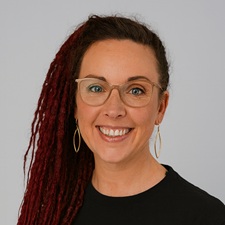
Beth Kitchen is the founder of B-Sensory, a passionate and highly experienced educator with a mission to revolutionise how the UK understands and supports Sensory Processing Difficulties (SPD) and neurodiversity. With over 20 years of hands-on experience in specialist education, Beth has worked across a wide range of settings, giving her unique insight into the real-life challenges faced by children, families, and professionals alike.
Beth has trained thousands of professionals across the UK and internationally and is renowned for innovative, accessible training grounded in both theory and front-line experience. She also regularly advises schools and educational settings across the UK on the inclusion and support of autistic children and young adults with complex needs. She was nominated for “Trainer of the Year 2023” by The CPD Group and has been described as a “woman on a mission” to transform attitudes toward SPD and neurodiversity.
A self-confessed autism and sensory processing geek, Beth brings both passion and deep expertise to her training and consultancy work. Beth believes that meaningful change starts with informed professionals. Her work is dedicated to building awareness, understanding, and practical strategies that empower practitioners, support families, and improve outcomes for neurodivergent individuals.
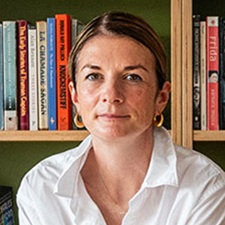
Eliza Fricker is the author and illustrator of Sunday Times bestseller Can’t Not Won’t: A Story About A Child Who Couldn’t Go To School, published by Jessica Kingsley. She is also author of The Family Experience of PDA and Thumbsucker.
As well as writing and illustrating her own books Eliza also co-authors with others, including Laura Kerbey’s book The Educators Experience of Pathological Demand Avoidance, Square Pegs, and Nurturing Your Young Autistic Person by Cathy Wassell, and several upcoming books with Dr Naomi Fisher.
Missing the Mark began in early 2020 as an illustrated blog. Not only an artistic expression of difference in today’s society, Missing the Mark also aims to serve as a thought provoking and valuable contribution to the visibility, acceptance and support of families like Eliza’s. It acts as a way to communicate difficult circumstances with teachers, educators, social workers, other parents and friends of those also experiencing these issues, with the hope of providing a drop more humanity in the world.
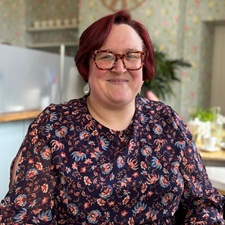
Zoë Austin is a freelance neurodivergent and trauma-informed speaker, trainer, educator and consultant living in Cambridgeshire and working across the UK.
She divides her time between consulting on how mainstream schools (and other institutions) can better meet the needs of neurodivergent members, providing group and individual music sessions, 1:1 tutoring for autistic/ADHD school-age children, mentoring autsitic/ADHD university students, and writing/presenting on the subjects of neurodiversity, child development, and music-making.
Part of the Pen Green Schema Group, she contributed to the book Schemas in the Early Years (Routledge, 2022), and presented on ‘Schema theory and children’s emerging musicality’ at EECERA, 2023.
Zoë uses her past experiences as a (Pen Green-trained) classroom teacher, her MA in Music Therapy and past experience of working in children’s social services to inform her position as a holistic practitioner.
Within 24 hours of your booking, you will receive an email containing personal login details to stream all of the recorded presentations and view the available slides for a 30 day period.
If you don’t receive your login details, please check your spam/junk folder in case it was diverted there. Otherwise for any difficulties accessing the webinars, please contact us at info@autismlearns.co.uk.
| Streaming Cost | £84.99 |
| Session | Title | Speaker |
|---|---|---|
| 2.1 | When therapy feels like a demand: adapting support for PDA | Raelene Dundon, Educational and Developmental Psychologist, and Play Therapist at Okey Dokey Childhood Therapy |
| 2.2 | Collaborative support at home — setting up environments that reduce anxiety and demand conflict | Karen Cherry, Trauma responsive therapeutic coach, trainer and education consultant |
| 2.3 | Supporting Our PDAers with Sleep | Laura Hellfeld, Neurodivergent Nurse, Health Educator and Sleep Consultant |
| 2.4 | PDA: autism, autonomy, or something entirely separate? | Sally Cat, PDA Adult Author, Artist and Presenter |
| 2.5 | PDA from the inside: what PDA adults want parents, educators, and clinicians to know | Julia Daunt, PDA Adult, Advocate and Author of “Being Julia - A Personal Account of Living with Pathological Demand Avoidance” |
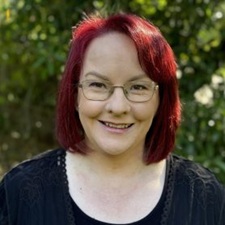
Raelene Dundon is a late diagnosed autistic ADHDer, and a registered Educational & Developmental Psychologist with Masters Degrees in Educational and Developmental Psychology and Child Play Therapy. Raelene is the Director of Okey Dokey Childhood Therapy, a large paediatric allied health clinic in Melbourne, Australia, and an academic lecturing in Play Therapy at Deakin University.
Raelene has over 20 years experience working with children and their families providing assessment and support for social-emotional concerns, learning challenges, and developmental disabilities, and with a focus on supporting neurodivergent children to flourish. She works in a trauma-informed, neurodiversity affirming and play-based way to support her clients. Raelene is also a board-approved supervisor, and supervises staff within her practice as well as external psychologists looking for support.
Raelene is passionate about supporting Neurodivergent children to understand and accept who they are, and empower them to be themselves in a society that still has a long way to go in terms of accepting and celebrating difference.
Raelene is the author of five books published by Jessica Kingsley Publishers.

Karen Cherry is an AuDHD, neuroinclusive coach, educator, and facilitator specialising in trauma-informed support for autistic and neurodivergent individuals, particularly those who identify with PDA. Karen has delivered training internationally and consulted with education, CJS and professionals on PDA for the past 10 years. Karen brings lived experience and expert insight to help families, professionals, and organisations shift from traditional approaches toward compassionate, collaborative support.
Her work is grounded in trauma-responsive principles, valuing autonomy, curiosity and co-regulation.
Karen is passionate about reframing how we think about behaviour, rest, regulation and learning — inviting audiences to rethink assumptions and embrace relational ways of being that support true inclusion and human potential.
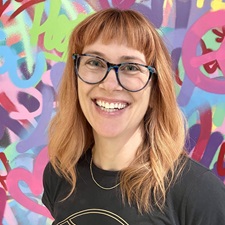
Laura Hellfeld is an AuDHD (Autistic, ADHD) health care professional, consultant and advocate. Their education includes a Masters in Nursing (RN, MSN), licensure in Public Health Nursing (PHN) and certification as a Sleep Consultant. They work as an independent Nurse Consultant to support the neurodivergent community and educate other care professionals to understand their unique support needs.
Laura specializes in PDA, distress behaviours and self-care like eating and sleep. They are also Associate Editor of the upcoming magazine publication, Autistic Revolution.
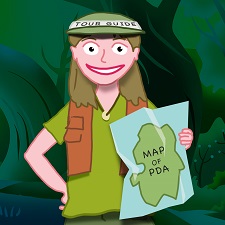
Sally Cat is an adult PDAer author, illustrator, peer researcher, public speaker and animator, as well as the mum of an eleven-year-old PDA girl. She publishes illustrative memes describing PDA on her Facebook page.
Sally is the author of five books about PDA and associated conditions: PDA by PDAers (about adult PDA), Pathological Demand Avoidance Explained (PDA described through 75 illustrations), Calendar Girl (a mini childhood memoir), Sleep Misfits (about circadian sleep disorders), and Stella Noctella (a rhymed children’s story describing delayed sleep phase syndrome).
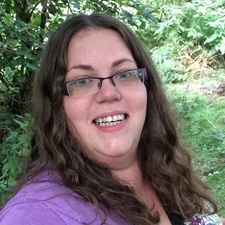
Julia Daunt is an adult PDAer with ADHD and psychotic episodes. She lives in Nottinghamshire with her long-term partner, Paul, and works as a self-employed trainer with the PDA Society.
Julia is also an author, blogger, advocate and public speaker. She was diagnosed with PDA at the age of 12, almost 30 years ago.
In her spare time, she is President of her local WI and a keen crafter, although demand avoidance often stops her from being able to create.
Within 24 hours of your booking, you will receive an email containing personal login details to stream all of the recorded presentations and view the available slides for a 30 day period.
If you don’t receive your login details, please check your spam/junk folder in case it was diverted there. Otherwise for any difficulties accessing the webinars, please contact us at info@autismlearns.co.uk.
| Streaming Cost | £84.99 |