Supporting Autistic Girls & Women
An online learning series
30 day access to all presentations and presentation slides
30 day access to all presentations and presentation slides
In this in-depth online learning series, our team of leading autism specialists will explore how you can better understand and support autistic girls and women at every stage of life.
Across two days, we’ll look at why autistic girls are so often missed or misunderstood, how autism can show up differently in girls, and what this means for diagnosis, school life and wellbeing now and into the future. Taking an autism-affirming approach to support, the sessions cover everything from masking and mental health, to friendships, puberty, periods, relationships, gender identity and menopause.
Our knowledgeable speakers will share practical strategies that can be used at home, in schools and in professional settings. Drawing on research, professional insight and lived experience, this series is designed to build confidence, deepen understanding and help create environments where autistic girls and women feel seen, supported and able to thrive. Whether you’re a parent, carer, teacher, SENCO or other professional, you’ll leave with useful tools and a clearer sense of how to make a positive difference.
Learnings include:
This webinar series is CPD certified. Certificates of Attendance are available upon request.
| Time | Title | Speaker |
|---|---|---|
| 1.1 | The Lost Girls of Autism: the untold story of women on the spectrum | Professor Gina Rippon, Professor Emeritus of Cognitive Neuroimaging at Aston University and Bestselling Author of ‘The Lost Girls of Autism’ |
| 1.2 | Pathways to diagnosis - what parents and professionals need to know | Dr Becky Quicke, Clinical Psychologist and Founder of Autistic Girls |
| 1.3 | Growing up autistic: puberty, periods and preparing for young adulthood | Carly Steel, Autism Specialist, Qualified Teacher and Experienced Neurodivergent Leader |
| 1.4 | Autistic menopause | Dr Rachel Moseley, Principal Academic in Psychology at Bournemouth University and co-author of ‘Autistic Menopause’ |
| 1.5 | School life and wellbeing: creating inclusive classrooms for autistic girls | Kirsten Roy, Head of School at The Haven School |
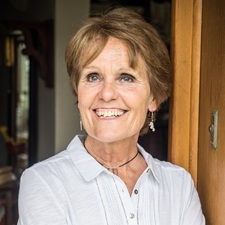
Professor Gina Rippon is Emeritus Professor of Cognitive Neuroimaging at the Institute of Health and Neurodevelopment, Aston University.
Her research has involved state-of-the-art brain imaging techniques to investigate developmental disorders such as autism. Her current research interests focus on the under-recognition of autism in women and girls, especially in neuroscience research. Her new book on this topic: The Lost Girls of Autism (UK)/Off the Spectrum (US) was released in April 2025.
She also explores the use of neuroscience techniques to investigate social processes, especially those associated with the development of sex/gender differences in the human brain. She was a member of the Fawcett Society Commission on Gender Stereotypes in Early Childhood, contributing to the report “Unlimited Potential”.
She is an outspoken critic of ’neurotrash’, the populist (mis)use of neuroscience research to (mis)represent our understanding of brain-behaviour links, particularly on the topic of sex/gender differences. Her book on such topics, ‘The Gendered Brain’, published by Bodley Head and Penguin Random House, came out in the UK in 2019. She is a member of the international NeuroGenderings network and has co-authored many papers on sex/gender neuroscience.
She is a passionate supporter of initiatives to address the under-representation of women in all spheres of influence, especially science. Under the heading “Mind the Gender Gap”, she has offered a neuroscience-informed approach to diversity and inclusivity initiatives to a wide range of business and political organisations, including the UK’s Cabinet Office and the EU.
—
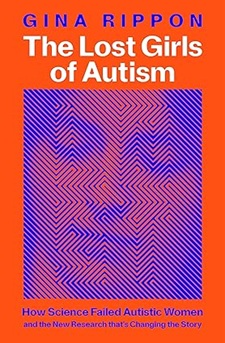
The Lost Girls of Autism by Gina Rippon
The history of autism is male. It is time for women and girls to enter the spotlight.
For decades, our understanding of autism has been based on stereotypes of ‘socially awkward’ men and boys. But this isn’t because autism doesn’t affect women; it is because the system built to identify it has completely failed them. This blind spot has left generations of women and girls misunderstood and misdiagnosed.
In The Lost Girls of Autism, leading neuroscientist Gina Rippon challenges this biased view of autism and explores the female autistic experience. She reveals how girls on the spectrum learn to ‘hide in plain sight’ by camouflaging to fit in. Drawing on decades of research and powerful first-person accounts, Rippon shows how the female autistic brain is ‘differently different’ and urges us to give these lost girls their rightful place on the spectrum.
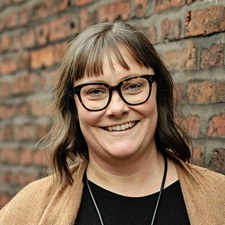
Dr Becky Quicke is an experienced Clinical Psychologist and Founder of Autistic Girls, who has been assessing children and adults’ mental health since she qualified in 2005.
She worked in the NHS for 10 years until she set up her own private assessment and therapy practice for children, adults and families in 2015.
In 2019 she focused on providing psychological assessments of adults and children in the family courts and continues to deliver those services for her other service, Family Law Psychology.
Whilst having supported many autistic/ADHD children and adults throughout her career, it has been since her daughters’ diagnosis of autism and an understanding of her own neurodivergence, that she came to realise that more specialist assessment services are needed to understand and diagnose autistic and ADHD women and girls.
Autistic Girls is a specialist autism and ADHD assessment service for girls and women based in Knutsford, Cheshire. Becky and her team help them understand their differences and feel good about who they are. Their assessments are not tick box exercises but instead are thorough, neuroaffirmative and meaningful. They support families who want to feel confident that their daughter will be seen beneath the ‘mask’ and want to go deeper into their understanding of their daughter’s strengths and needs. The all female Autistic Girls multi disciplinary team are skilled at assessing girls and women, with many of them being neurodivergent themselves and/or having neurodivergent children. For more information visit www.autisticgirls.co.uk or www.autisticwomen.co.uk.
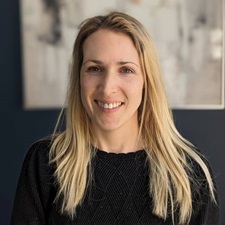
Carly Steel is the author of “Consulting autistic young people on their personal happiness” published in the Good Autism Practice journal.
Carly started her career as a teacher in a specialist college, supporting autistic young people. She completed her masters degree in autism, passing with Distinction before going on to coordinate alternative provisions for a large charity across the East Midlands and London.
Carly became a Director and Head of Education for an outdoor alternative provision, which allowed her to follow her true passion; working more closely with parents, young people and staff.
Carly is autistic herself, providing a unique and rare insight into the autistic experience.
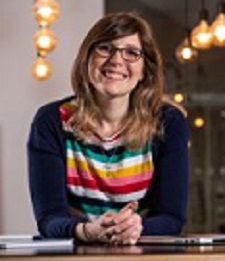
Dr Rachel Moseley completed her PhD in cognitive neuroscience at the University of Cambridge, where she studied brain function and structure in autistic people. After her PhD, Rachel took up two positions as a postdoctoral researcher to pursue this research further. In the course of learning more about the presentation of autism in girls and women, she sought assessment and was diagnosed as autistic, which helped answer a lot of questions.
Rachel is now a Principal Academic at Bournemouth University, where her research centres around understanding the challenges faced by autistic adults – most notably around mental health, self-injury and suicidality, ageing and late-diagnosis.
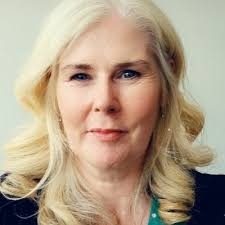
Kirsten Roy is Headteacher of The Haven, an online school for 12-17 year old neurodivergent girls and non-binary young people.
Her work includes extensive experience leading provision for autistic learners, particularly those affected by school refusal, burnout, or co-occurring SEMH needs.
Kirsten specialises in designing autism-informed online learning environments that prioritise psychological safety, predictable structures, and safeguarding-led practice. Her approach focuses on removing systemic barriers rather than fixing children, demonstrating how thoughtfully designed virtual education can enable autistic learners to re-engage, regulate, and succeed.
Within 24 hours of your booking, you will receive an email containing personal login details to stream all of the recorded webinars and view the available presentation slides for a 30 day period.
If you don’t receive your login details, please check your spam/junk folder in case it was diverted there. Otherwise for any difficulties accessing the webinars, please contact us at info@autismlearns.co.uk.
| Streaming Cost | £84.99 |
| Session | Title | Speaker |
|---|---|---|
| 2.1 | Developing a life skills curriculum for autistic girls which supports wellbeing and boosts self-esteem | Lara Rodwell, Writer and Founder of The Lonely Club |
| 2,2 | Non-traditional gender identity and sexuality, including auti-gender | Catherine Leggett, Training Consultant, Autistic Elder and Parent |
| 2.3 | Relationships and sex education for autistic girls and young women | Lynn McCann, Specialist Teacher, Trainer and Author at ReachOut ASC |
| 2.4 | Friendships, social dynamics and the ‘invisible’ social load | Tammy McChristie, SENCO at The Haven School |
| 2.5 | The cost of fitting in – masking, camouflaging and the impact on mental health and wellbeing | Kate Reynolds, Author, Consultant and Speaker, also known as Autism Agony Aunt |
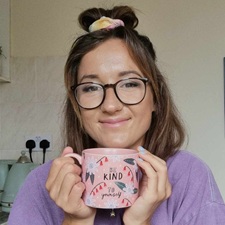
Lara Rodwell is the founder of The Lonely Club and an advocate for neurodiversity, connection and inclusion. Drawing on first-person experience, her work explores loneliness, identity and belonging, and how society can better support neurodivergent people to thrive without masking. Lara speaks and writes about creating more compassionate, connected environments for neurodivergent girls, women and adults.
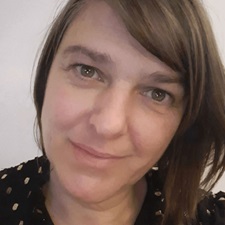
Catherine Leggett’s background is in engineering and technical roles, and they have also worked on gender equality projects for women in science, engineering and technology.
Catherine is an experienced autism and employment consultant and trainer and has worked with employers and employees nationwide as a specialist optimising autistic people’s strengths at work since 2014. Catherine also speaks at conferences and events, and regularly contributes to articles and interviews to promote the recruitment, retention and progression of autistic people in the workplace. Catherine was diagnosed autistic in 2015 and has an adult autistic child.
In their spare time, Catherine enjoys advocacy and building peer support networks for adults to bring together autistic autism professionals, parents, jobseekers, creatives, artists and other professionals to address some of the shortfalls in the support available around diagnosis, accessing healthcare and services and generally living well as an autistic person. Cath is a passionate about their work, bringing communities together and bridging the gaps between parents, autistic adults and support professionals.
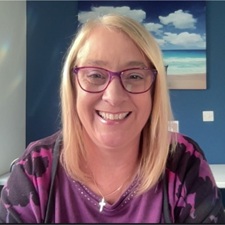
Lynn McCann is an Independent Specialist Autism, ADHD and PDA teacher and consultant, owner of Reachout ASC, and author of five books for teachers: “All About Autism – primary”, “All About Autism – Secondary (pub Routledge), “How to support pupils with ASC in Primary School”, “How to Support students with ASC in Secondary School”, and “Stories that Explain (a book of Social Stories)”, (pub by LDA).
Reachout ASC are now a team of seven teachers who are highly experienced specialists, and will visit schools and other organisations to provide training, support, advice and resources. They are based in the North West of England and cover Lancashire, Manchester and Merseyside. They firmly believe that every autistic person is unique and our approach is to get to know each individual so that what we advise is right for them. They work with pupils from EYS through KS1-4 and in further education. They are a centre of excellence for autism, ADHD, PDA and autism in girls.
Ruth Kiley, a Sensory Integration Practitioner and Occupational Therapist, works with Reachout ASC to carry out sensory assessments and provide sensory programmes and support. Their teachers also write articles on the Reachout ASC website, which is full of informative articles.
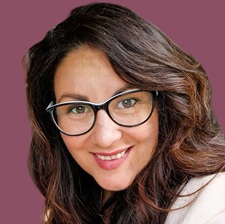
An experienced Inclusion Lead, and advocate for rights-based education, Tammy McChristie currently works at The Haven, an online school launched by the Autistic Girls Network in September 2025, supporting neurodivergent learners through flexible, person-centred approaches to learning, wellbeing and belonging. She is completing her NPQ SENCo qualification this year.
Tammy has worked extensively in online and flexible education, supporting learners who have found traditional settings difficult to access. Her blend of leadership and alternative provision experience shapes her practical, relational approach.
Tammy’s work focuses on the everyday, often invisible, social load that learners carry and on supporting families and educators how to make relationships and social spaces feel safer, clearer and less exhausting.
Tammy has two neurodivergent teenagers and two rescue dogs and lives in Scotland. Her practice is shaped as much by lived experience as by professional training. She speaks openly about both the strengths and the very real challenges of family life, and this perspective strongly informs her commitment to listening carefully, valuing children and young people’s voices, and supporting autonomy, dignity and emotional safety.
Known for her warmth, clarity and reflective approach, Tammy is passionate about translating complex systems into practical, compassionate support that genuinely works for the people it is designed to support.
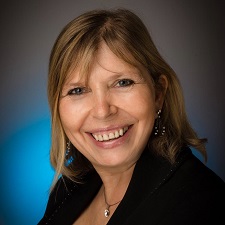
Kate Reynolds is mother to two young autistic adults, one with additional learning/intellectual disabilities. She worked for 18 years for the UK’s National Health Service, mainly in HIV/AIDS and sexual health as a Clinical Nurse Specialist, Senior Counsellor and trainer.
Since 2005, when her son was diagnosed as being on the autism spectrum, Kate has written twelve books and innumerable published articles for parents and professionals, focusing on aspects of relationships and sex education, childhood and female autism and smearing behaviours.
Kate is a public speaker at both national and international conferences. She also runs workshops and training for parent carers and professionals, largely focusing on a broad range of relationship and sex education issues and autism and intellectual disabilities. These include so-called ‘problematic, sexualised’ behaviours, sexual abuse, female autism and relationships and generic relationships and sex education both in schools and adult life.
Kate gives specific advice to families and agencies relating to sexuality and relationships.
Within 24 hours of your booking, you will receive an email containing personal login details to stream all of the recorded webinars and view the available presentation slides for a 30 day period.
If you don’t receive your login details, please check your spam/junk folder in case it was diverted there. Otherwise for any difficulties accessing the webinars, please contact us at info@autismlearns.co.uk.
| Streaming Cost | £84.99 |