Understanding Sensory Processing & Autism
An online learning series
Stream all webinars for 30 days

Stream all webinars for 30 days
Processing everyday sensory information can be difficult for autistic children and adults. Any of their senses may be over or under sensitive (or both) at different times. These sensory differences can have a profound impact on behaviour, development and learning.
In this new online learning series, our team of leading autism specialists will take a fresh and in-depth look at sensory processing and autism. Our two day programme will provide you with practical strategies to help effectively support an autistic person at home, in the classroom, and in the workplace.
Learnings include:
All content is CPD certified for professionals and a CPD Certificate of Attendance is available upon request.
| Session | Title | Speaker |
|---|---|---|
| 1.1 | Autistic sensory differences: the ones you spot and the ones you don't! | Dr Jo Grace, Autism Specialist, Qualified Teacher and Experienced Neurodivergent Leader |
| 1.2 | Interoception, proprioception & vestibular needs - beyond the traditional senses | Anna Blaser, Occupational Therapist at The Owl Therapy Centre |
| 1.3 | Sensory solutions in the classroom for autistic students | Monique Thoonsen, Consultant and Trainer at SensoMatters |
| 1.4 | Sensory diets in schools and adult services | Beth Kitchen, Founder and Lead Trainer at B-Sensory |
| 1.5 | Overload and shutdown: identifying and responding to sensory crises – insights from a neurodivergent educator | Carly Steel, Autism Specialist, Qualified Teacher and Experienced Neurodivergent Leader |
| 1.6 | How to understand and validate the sensory experiences of autistic people: making daily life more comfortable and manageable | Jignasha Button, Highly Specialist Occupational Therapist at Wider Ambition |
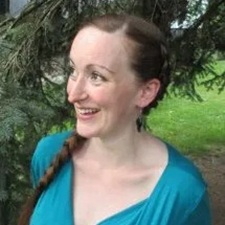
Dr Joanna Grace is an international sensory engagement and inclusion specialist, doctoral researcher, trainer, author, TEDx speaker and founder of The Sensory Projects. The Sensory Projects’ online college has a range of study on demand courses, focused on sensory engagement and supporting people with profound disabilities
Joanna is a qualified teacher who has taught in mainstream and special schools, connecting with pupils of all ages and abilities. Joanna has also worked in a consultancy capacity to support schools to further their provision for children with additional learning needs.
Since setting up The Sensory Projects Joanna’s work has expanded, and she regularly works with adult care providers, heritage settings and families. Joanna draws on experience from her own life, as well as insight from the research world and her professional background, to inform her work. Joanna has family members with physical disabilities and neurodiverse conditions and has also been a foster carer for children with complex disabilities.
Joanna is autistic and is able to take in huge amounts of information. She uses this ability to focus on the sensory world to inform her work. Joanna is currently studying for a doctorate in Identity and Belonging for People with Profound and Multiple Learning Disabilities.
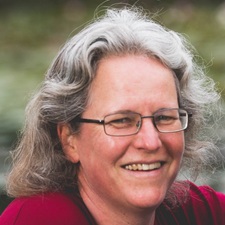
Monique Thoonsen is an expert in sensory processing, and she writes, teaches and consults on this subject. She is fascinated by how sensory processing works, which is why she has decided to dedicate her professional live to it. She started doing this in the 1990s, when she was working in the USA. Monique has taken many courses, for instance at Sensory Integration International, the organisation of Jean Ayres (founder of Sensory Integration Theory).
She has experience with different groups: people without disabilities, with a (severe) intellectual disability, with autism, with a language development disorder, gifted people, people with dementia and acquired brain injury, people who are deaf or hard of hearing, students in special and regular education.
Monique has written four books on the subject in Dutch and two of these books were translated in English: “Sensory Solutions in the Classroom” and “Making Sense of Your senses”.
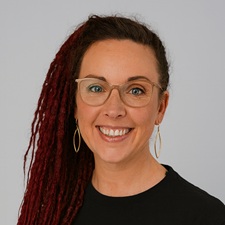
Beth Kitchen is the founder of B-Sensory, a passionate and highly experienced educator with a mission to revolutionise how the UK understands and supports Sensory Processing Difficulties (SPD) and Neurodiversity. With over 20 years of hands-on experience in specialist education, Beth has worked across a wide range of settings, giving her unique insight into the real-life challenges faced by children, families, and professionals alike.
Beth has trained thousands of professionals across the UK and internationally and is renowned for innovative, accessible training grounded in both theory and front-line experience. She also regularly advises schools and educational settings across the UK on the inclusion and support of autistic children and young adults with complex needs. She was nominated for “Trainer of the Year 2023” by The CPD Group and has been described as a “woman on a mission” to transform attitudes toward SPD and neurodiversity.
A self-confessed autism and sensory processing geek, Beth brings both passion and deep expertise to her training and consultancy work. Beth believes that meaningful change starts with informed professionals. Her work is dedicated to building awareness, understanding, and practical strategies that empower practitioners, support families, and improve outcomes for neurodivergent individuals.
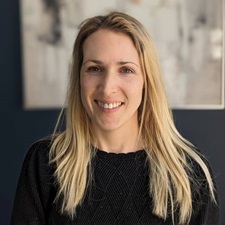
Carly Steel is the author of “Consulting autistic young people on their personal happiness” published in the Good Autism Practice journal.
Carly started her career as a teacher in a specialist college, supporting autistic young people. She completed her masters degree in autism, passing with Distinction before going on to coordinate alternative provisions for a large charity across the East Midlands and London.
Carly became a Director and Head of Education for an outdoor alternative provision, which allowed her to follow her true passion; working more closely with parents, young people and staff.
Carly is autistic herself, providing a unique and rare insight into the autistic experience.
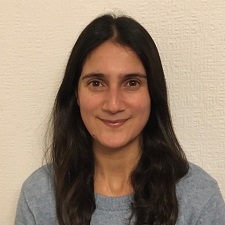
Jignasha Button is a highly specialist Occupational Therapist with extensive experience working with autistic children, young people and young adults, as well as many other areas of practice.
Jignasha is passionate about recognising each child and young person’s individuality, strengths and potential. A key therapeutic focus of hers is the importance of children, young people and the significant people around them developing awareness and acceptance of their preferences and differences in order to give them the confidence and skills they need to live daily life comfortably and successfully.
Jignasha creates and delivers bespoke training on a variety of topics including sensory processing, self-regulation and co-regulation, motor skill development, recording written information and managing energy levels. She holds a Post Graduate Certificate in Sensory Integration and is a certified Sensory Integration Practitioner.
She has worked in many settings across her career including family homes, health centres, mainstream and special schools, colleges and within the wider community. Jignasha currently holds a position with Wider Ambition, an aspirational educational organisation for students with autism and related needs.
Within 24 hours of your booking, you will receive an email containing personal login details to stream all of the recorded webinars and view the available presentation slides for a 30 day period.
If you don’t receive your login details, please check your spam/junk folder in case it was diverted there. Otherwise for any difficulties accessing the webinars, please contact us at info@autismlearns.co.uk.
| Streaming Cost | £84.99 |
| Session | Title | Speaker |
|---|---|---|
| 2.1 | Windows of opportunity: understanding sensory needs to enable adult adults in Social Care - Quantifiable Profiling: Using accessible tools like the Glasgow Sensory Questionnaire (GSQ) to move beyond broad statements and gain quantifiable data on complex hyper- and hypo-sensitivities - Proactive Auditing: Employing a systematic Environmental Audit to assess the three layers of triggers (Physical, Human, and External/Patterned) | Callum McCrosson, National Autism Advisor at The Richmond Fellowship Scotland |
| 2.2 | Emotional Freedom Technique (EFT) - a stress and anxiety management tool to support parents | Sam Shard, Director and Lead Occupational Therapist at The Local Therapy Company |
| 2.3 | The intersection of communication and sensory needs | Kate Boot, Independent Speech & Language Therapist and Sensory Integration Practitioner (kateboot.com) |
| 2.4 | Supporting autistic teenagers through the sensory aspects of puberty | Sarah Boon, Consultant, Author and Blogger at autisticallysarah.com |
| 2.5 | Sensory processing in autism identity formation | Rachael Thompson, Occupational Therapist and Founder of Our Sensory Worlds |
| 2.6 | Sensory self-advocacy and voice | Paul Isaacs, Autism Training Consultant, Speaker and Trainer |
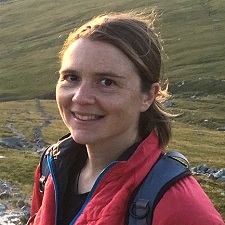
Rachael Thompson BSc, PGCE with QTS, PGCert Sensory Integration, MSc Occupational Therapy is Head of Therapy at Cairn Education. Rachael has worked at independent specialist colleges for over 10 years in roles including Tutor, Occupational Therapist, Head of Education and Vice Principal.
As an autistic individual and Occupational Therapist, Rachael utilises personal and professional experience alongside the latest research to explore sensory processing differences and specifically how sensory processing differences can impact health, well-being and quality of life.
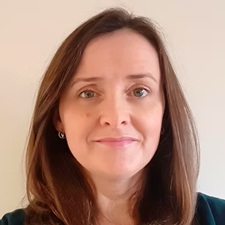
Sam Shard qualified as an Occupational Therapist in 2005 (York St John). She worked for the NHS for many years and has experience in both Adult and Paediatric Services working with a range of neurological, and developmental conditions. Sam moved into Independent Practice in 2015 and became director at The Local Therapy Company in 2023.
Sam has Post Graduate Training in Sensory Integration and is an Advanced Sensory Integration Practitioner (Level 4). She also has additional training in:
• Sensory Attachment Intervention
• Interoception Curriculum
• Occupational Performance Coaching (OPC)
• Zones of Regulation
• Excellence in Report Writing
Sam has wide experience assessing and writing reports for EHCP, and is a regular expert witness at SEN tribunals. She provides ongoing treatment in the client’s home or educational setting.
Sam also values a holistic approach when supporting clients and is an autism and ADHD Special Yoga Practitioner and an Emotional Freedom Practitioner (EFT).
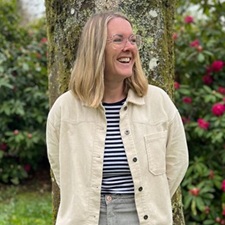
Kate Boot is a neurodivergent (autistic ADHD), Speech and Language Therapist and Sensory Integration Practitioner. She also works as a Relationships and Sex Education Practitioner. Alongside these areas of interest, she has over a decade of experience in both clinical and operational management, and championing intersectionality-focused neurodiversity-affirming practice in the workplace.
Kate supports neurodivergent people to understand their communication preferences and support needs, including identifying any skills they wish to develop. This can include self-advocacy, perspective taking, developing vocabulary, understanding socially dominant norms and common neurodivergent norms.
Being dual qualified allows Kate to support neurodivergent people to understand their own, or their loved one’s sensory processing preferences and support needs. Sensory processing and integration has a close relationship with communication. Through exploration, she supports neurodivergent people, their families, educators and carers to understand sensory identity, preferences, support and accommodations needs, including environmental support.
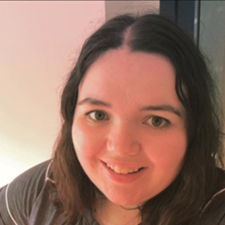
Sarah Boon is a neurodivergent author who recently published her first book ‘Young, Autistic and ADHD: Moving into adulthood when you’re multiply-neurodivergent’.
Sarah is a late-discovered autistic ADHDer herself who also has a MSc in the Psychology of Education and a PgCert in Autism. Sarah provides consultancy on autism, ADHD, dyslexia, and neurodiversity based on both her lived and professional experiences.
Sarah also regularly shares her thoughts about neurodiversity on her blog autisticallysarah.com and social media @saraheboon.

Callum McCrosson is a highly regarded speaker and consultant who expertly blends professional knowledge with his invaluable lived experience as an autistic individual.
He serves as the National Autism Advisor for The Richmond Fellowship Scotland (TRFS), a prominent social care organisation dedicated to supporting individuals with complex needs. In this role, he has been pivotal in developing comprehensive strategies, training frameworks, and services across the organisation.
Diagnosed at 23, Callum has dedicated his career to ensuring that autistic voices are central to shaping support, policy, and practice. A compelling speaker, he champions a ‘difference over deficit’ perspective and the essential principle of co-production. His presentations offer candid insights and actionable knowledge on the critical need to adapt environments to enable autistic people to thrive.

Paul Isaacs is an autistic trainer, speaker, consultant and blogger. He has co-authored several books including Life through a Kaleidoscope and Living through the Haze.
Paul was branded as a “naughty & difficult child” at school. He was classically autistic and non-verbal due to speech articulation difficulties. He had complex sensory issues and appeared both deaf and blind. He gained functional speech around the age of 7 or 8 years old.
Paul went through the mainstream school system with no additional help or recognition of his autism. Consequently, he did not achieve his academic or his social potential and had very low self-esteem.
At age 11, Paul was referred to the children’s mental health service with childhood depression where he was regarded as “developmentally underage” and having speech problems.
A local autism organisation put Paul in touch with an experienced psychiatrist, who diagnosed him with autism at 24 years old. Amongst other conditions, Paul also has dyslexia, dyscalculia and also a dissociative disorder.
Within 24 hours of your booking, you will receive an email containing personal login details to stream all of the recorded webinars and view the available presentation slides for a 30 day period.
If you don’t receive your login details, please check your spam/junk folder in case it was diverted there. Otherwise for any difficulties accessing the webinars, please contact us at info@autismlearns.co.uk.
| Streaming Cost | £84.99 |